Let me tell you that your body’s collagen production drops by about a quarter before you reach 40. Not good news is it?
This vital protein is essential for your skin joints and bones it gives you strenght and elasticity. As we age which is perfectly normal our ability to produce collagen slows down and this leads to wrinkles joint pain and weakened.
The good news is that some seeds can help your body make more collagen naturally. These tiny foods are packed with amino acids minerals, and healthy fats. They help your body create and protect collagen. Unlike expensive supplements these foods offer a natural way to keep your skin young and your joints flexible.
The 7 best seeds for boosting collagen provide important nutrients for your body. They have zinc and copper, omega-3 fatty acids, and vitamin E. Each seed offers unique benefits. By adding these seeds to your diet you give your body what it needs to keep collagen strong as you age.
Key Takeaways
- Collagen production naturally declines by up to 25% by age 40
- Seeds contain essential amino acids like glycine and proline needed for collagen synthesis
- Zinc and copper in seeds activate enzymes that produce collagen
- Omega-3 fatty acids protect existing collagen from breaking down
- Vitamin E shields collagen fibers from sun damage
- Regular seed consumption supports skin elasticity and joint health
- Plant-based nutrients offer a natural alternative to collagen supplements
Understanding Collagen’s Critical Role in Your Body’s Health and Aging Process
Collagen is the main protein in your body making up nearly 30% of all proteins. It acts like scaffolding holding everything together. Your skin stays firm joints move smoothly, and bones remain strong thanks to collagen’s unique structure.
Many people use anti-aging seed options to keep these benefits as they age naturally.
The Structural Foundation How Collagen Supports Skin Joints and Connective Tissue
Collagen supports many body systems. In skin it keeps it firm and elastic. In joints, it cushions bones and helps them move smoothly.
Seeds for skin elasticity can help keep this protein level through natural nutrients.
The protein also strengthens tendons, ligaments, and blood vessels. Type I collagen is found in skin and bones while Type II collagen is in cartilage. Eating plant-based foods can help keep these collagen types in your body.
Why Natural Collagen Production Declines After Age 25
Your body’s collagen production peaks in your early twenties. After age 25 it drops by about 1% each year. This decline speeds up around age 40 when signs become more visible.
Environmental factors like UV radiation, smoking, stress, and poor nutrition can speed up this process.
Key Nutrients Your Body Needs to Synthesize Collagen Effectively
Some nutrients are key for collagen production. Anti-aging seed options provide many of these nutrients naturally:
| Nutrient | Function in Collagen Production | Daily Requirement |
|---|---|---|
| Vitamin C | Helps convert amino acids into collagen | 75-90 mg |
| Zinc | Activates enzymes for collagen synthesis | 8-11 mg |
| Copper | Cross-links collagen fibers for strength | 900 mcg |
| Protein | Provides amino acid building blocks | 46-56 g |
How Seeds Support Natural Collagen Production Through Essential Nutrients
Seeds are tiny but mighty, offering a nutritional boost for collagen production. They act as dietary collagen alternatives by giving your body the nutrients it needs. Unlike artificial supplements, seeds provide a mix of amino acids minerals, and fatty acids. This mix helps increase collagen production naturally.
Amino Acids in Seeds Building Blocks for Collagen Synthesis
Seeds contain amino acids like glycine proline, and lysine crucial for collagen. Glycine adds stability proline gives strength, and lysine makes fibers stronger. These amino acids are key to building collagen’s unique structure.

The Role of Zinc and Copper in Activating Collagen Producing Enzymes
Minerals in seeds help with natural collagen production. Zinc and copper are especially important. Zinc helps enzymes in cells make collagen while copper supports collagen and elastin. These minerals make the collagen making process more effective.
| Seed Type | Key Mineral | Collagen Benefit |
|---|---|---|
| Pumpkin Seeds | Zinc 7.64 mg per 100g | Activates fibroblast enzymes |
| Sunflower Seeds | Copper 1.8 mg per 100g | Enables fiber cross-linking |
| Cashews | Zinc 5.78 mg per 100g | Supports enzyme function |
Plant-Based Omega-3s and Their Impact on Collagen Preservation
Alpha-linolenic acid ALA in nutritional seeds for skin health helps keep collagen intact. Chia and flax seeds have ALA which fights inflammation. Hemp seeds have a good balance of omega-6 and omega-3, keeping skin hydrated and collagen strong.
Pumpkin Seeds The Zinc Powerhouse for Collagen Cross Linking
Pumpkin seeds are a top choice for fighting aging due to their high zinc content. Just one ounce gives you about 20% of your daily zinc. Zinc is key for making collagen helping your skin stay firm and elastic.
Zinc helps by turning on an enzyme called lysyl oxidase. This enzyme links collagen molecules together. Without enough zinc, your skin ages faster and heals wounds slower.
| Nutrient | Amount per 1 oz (28g) | Daily Value % |
|---|---|---|
| Zinc | 2.2 mg | 20% |
| Copper | 0.4 mg | 19% |
| Iron | 2.3 mg | 13% |
| Magnesium | 151 mg | 37% |
Pumpkin seeds also have copper which works with zinc to strengthen skin fibers. This combo helps repair tissues and keeps your skin looking young. Toasted pumpkin seeds are great on salads or as a snack adding texture and nutrients. Eating about an ounce a day helps your body make more collagen.
Chia Seeds Omega-3 Rich Protection Against Collagen Breakdown
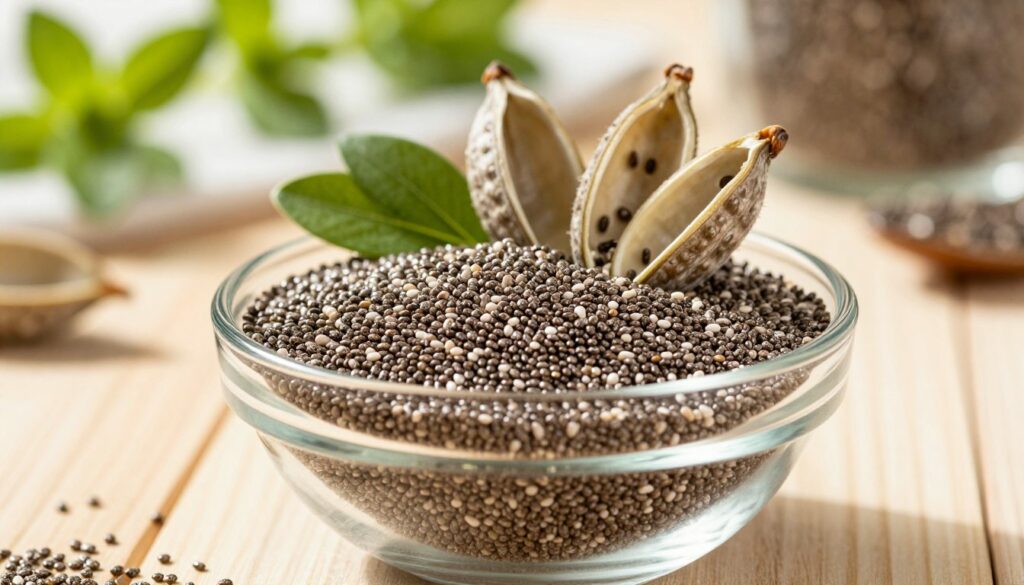
Chia seeds are small but full of nutrients that help protect your body’s collagen. They focus on keeping collagen intact, unlike other foods that just help make more. Chia seeds are rich in omega-3 fatty acids, which create a shield. This shield helps keep your skin elastic and fights off inflammation that can damage collagen.
Alpha-Linolenic Acid Content and Its Anti-Inflammatory Benefits
Chia seeds have about 18 grams of alpha-linolenic acid ALA per 100 grams. This makes them a top plant source of omega-3s. ALA fights inflammation at the cellular level slowing down collagen breakdown. This leads to better skin hydration and elasticity.
Chia seeds are great for keeping joints healthy and skin smooth as you get older.
Read more: What Happens When You Eat Chia Seeds Every Day?
Antioxidants in Chia Seeds That Shield Existing Collagen from Damage
Chia seeds also have antioxidants like chlorogenic acid and caffeic acid. These antioxidants fight off free radicals that harm collagen. This protective shield keeps your skin looking young and firm.
Optimal Daily Serving Size for Maximum Collagen Support
Eat 1-2 tablespoons of chia seeds every day for the best collagen support. You can add them to smoothies, yogurt, or make chia pudding for breakfast. This amount gives you enough omega-3s and antioxidants without too many calories.
If you’re new to chia seeds, start with one tablespoon. The high fiber can cause digestive changes at first.
Flaxseeds Plant-Based ALA for Skin Hydration and Collagen Preservation
Flaxseeds are a top choice for anti-aging seed options. They are packed with alpha-linolenic acid (ALA), a key omega-3 fatty acid. This omega-3 helps keep your skin moist and protects collagen from damage. Each tablespoon of ground flaxseeds has about 1.6 grams of ALA making them great for those looking for plant-based collagen support.
The omega-3 in flaxseeds fights inflammation that harms collagen fibers. When your body gets inflamed it breaks down collagen faster than it can make new. Flaxseeds’ anti-inflammatory effects help keep your collagen strong and support its production.
| Nutrient | Amount per 2 Tablespoons | Collagen Benefit |
|---|---|---|
| ALA Omega-3 | 3.2 grams | Reduces inflammation and protects collagen |
| Lignans | 85.5 mg | Antioxidant protection for skin cells |
| Protein | 3 grams | Provides amino acids for collagen synthesis |
| Manganese | 0.4 mg | Activates collagen-producing enzymes |
To get the most out of plant-based collagen support, grind flaxseeds just before eating. Whole seeds don’t get digested. Mix ground flaxseeds into smoothies yogurt, or oatmeal. Start with one tablespoon a day and add more as you like. Keep ground flaxseeds in a sealed container in the fridge to keep their omega-3s fresh.
Hemp Seeds Complete Protein Profile for Amino Acid Supply
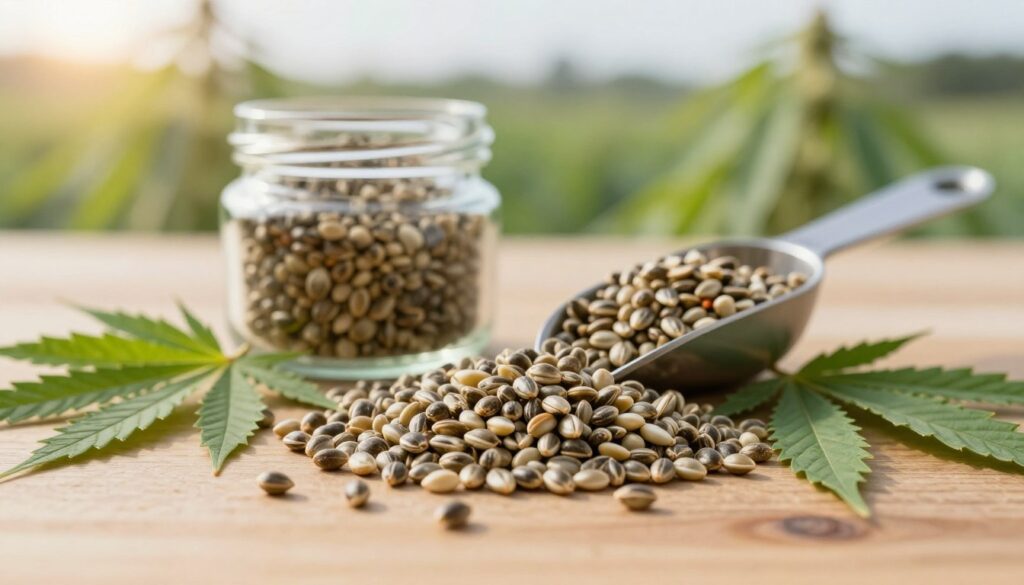
Hemp seeds are a top choice for nutritional seeds for skin health. They have all nine essential amino acids that our bodies need. Each serving of three tablespoons gives about 10 grams of protein. This protein helps our bodies make natural collagen.
Read more: What is collagen? Your guide to collagen
Glycine and Proline Content in Hemp Seeds
Hemp seeds are great anti-aging seeds because of their amino acids. Glycine is a big part of collagen helping our skin and joints stay flexible. Proline helps keep collagen strong by turning into hydroxyproline which fixes tissues and heals wounds.
| Amino Acid | Amount per 30g | Collagen Function |
|---|---|---|
| Glycine | 1.4g | Forms collagen triple helix structure |
| Proline | 1.3g | Stabilizes collagen chains |
| Arginine | 2.1g | Supports tissue repair |
The Perfect Balance of Omega-3 to Omega-6 Fatty Acids
Hemp seeds have a great 3:1 ratio of omega-6 to omega-3 fatty acids. This balance fights inflammation that harms collagen. The GLA in hemp seeds also helps protect our skin and joints from aging.
Sunflower Seeds Vitamin E Protection for Collagen Fibers
Sunflower seeds are nutrient-rich seeds for skin health. They are packed with vitamin E and copper. These nutrients help protect and strengthen collagen fibers. One ounce gives you almost 40% of your daily vitamin E making them a natural shield against aging skin.
How Vitamin E Shields Collagen from UV-Induced Degradation
Vitamin E is like a bodyguard for your skin against sun damage. It fights off free radicals that harm collagen fibers. Studies show vitamin E lowers MMP activity, enzymes that break down collagen from UV damage. Eating these seeds for wrinkle reduction keeps your skin elastic and firm by stopping photoaging at the cell level.
Copper Content and Its Role in Collagen and Elastin Formation
Sunflower seeds also have copper, which is key for collagen production. This mineral helps collagen molecules link together making tissue stronger. The copper in these collagen-boosting seeds also helps make elastin keeping skin elastic and bouncy.
| Nutrient per 1 oz 28g | Amount | % Daily Value |
|---|---|---|
| Vitamin E | 7.4 mg | 37% |
| Copper | 0.5 mg | 25% |
| Selenium | 22.5 mcg | 32% |
The 7 best seeds for naturally rebuilding collagen
Your body needs certain nutrients to keep collagen healthy. Seeds are a great way to get these nutrients every day. Each seed has its own benefits for natural collagen production foods in your diet. Just one to two tablespoons of mixed seeds a day can improve your skin and joints.
These seven anti-aging seed options help collagen in different ways. Some seeds have zinc for enzyme work. Others have omega-3s to protect collagen. These seeds have amino acids, minerals, and antioxidants to fight aging.
| Seed Type | Key Nutrient | Collagen Benefit | Daily Amount |
|---|---|---|---|
| Pumpkin Seeds | Zinc | Enzyme activation | 1/4 cup |
| Chia Seeds | Omega-3s | Prevents breakdown | 2 tablespoons |
| Flaxseeds | ALA fatty acids | Reduces inflammation | 1 tablespoon |
| Hemp Seeds | Complete protein | Provides amino acids | 3 tablespoons |
| Sunflower Seeds | Vitamin E | UV protection | 1/4 cup |
| Sesame Seeds | Minerals | Structural support | 2 tablespoons |
| Cashews | Zinc and copper | Collagen formation | 1 ounce |
These seeds for skin elasticity are simple to include in your meals. Sprinkle them on salads blend into smoothies, or snack on them. They offer a variety of nutrients all day. Eating them regularly helps your body make and keep collagen naturally, without expensive supplements.
Sesame Seeds Mineral Dense Support for Collagen Structure
Sesame seeds are packed with minerals that make them a top choice for collagen support. They are rich in zinc copper, and calcium. These minerals help strengthen your body’s collagen framework.
Zinc in sesame seeds helps produce new collagen. Copper creates strong bonds between collagen fibers. Together, they improve skin elasticity and joint health.
Sesame seeds stand out for their methionine content. This amino acid is crucial for stable collagen structures. The sulfur in sesame seeds repairs damaged collagen and fights oxidative stress.
Studies at Cornell University show sesame seeds can improve skin in just 12 weeks. They reduce signs of aging.
Tahini is a great way to add sesame seeds to your diet. It’s a creamy paste full of nutrients. You can mix it into smoothies use it as a salad dressing or spread it on bread.
Just two tablespoons of tahini or three tablespoons of sesame seeds a day can boost collagen. They support healthy bones skin, and joints.