Let me ask you have you ever considered that the protein rich foods you choose daily might not be the best choice for your health goals?
As you knwo protein is essenttial for many vital functions such as weight loss building healthy muscles and maintaining hormonal balance. Therefore choosing the right protein sources is crucial. Not all proteins are created equal read more in this article.
Are you aware of the differences between high-quality proteins and those that could be detrimental to your health? Dive into this article to uncover the best protein choices and gain valuable protein intake advice for a healthier you.
Key Takeaways
- Understand the critical role protein plays in overall health and wellness.
- Learn the differences between high-quality proteins and less beneficial options.
- Discover the healthiest animal-based and plant-based protein sources.
- Identify unhealthy protein sources to avoid in your diet.
- Get practical protein intake advice to optimize your nutritional plan.
- Avoid common mistakes when planning a high-protein diet.
Understanding the Importance of Protein
Protein plays a crucial role in maintaining our overall health by supporting various bodilyfunctions. As one of the essential macronutrients it consists of amino acids the building blocks necessary for cell structure and repair.
What is Protein?
Protein is a vital nutrient made up of amino acids, which are indispensable for our body’s growth and repair. Amino acids contribute to muscle development, enzyme production, and immune function. Incorporating a variety of protein sources into your diet ensures you receive all essential amino acids needed for optimal health.
Benefits of a High-Protein Diet
A high-protein diet offers numerous health benefits. It can help lower blood pressure, reduce the risk of diabetes, and support weight management. High-protein foods are also instrumental in enhancing muscle growth and recovery stabilizing hormone levels, and improving overall nutrient supply.
The Healthiest Sources of Protein
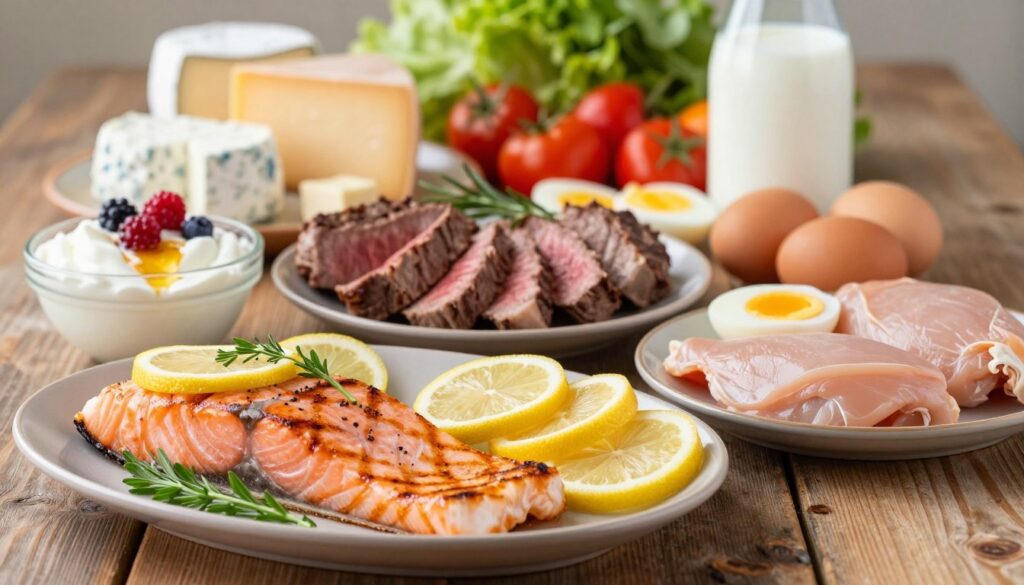
When it comes to selecting the best protein sources for a balanced diet, it is crucial to choose options that offer the maximum nutritional benefits. This section highlights healthy protein options including chicken breast eggs, and salmon.
Chicken Breast
Chicken breast stands out as a versatile and lean protein source, containing approximately 27 grams of protein per 3-ounce serving. Not only is it rich in protein but it also has minimal fat making it a perfect choice for those looking to maintain a healthy diet without excess calories.
Eggs
Eggs are another excellent healthy protein option known for their complete protein profile. Each egg provides a wealth of vitamins and healthy fats. Whether poached scrambled or boiled eggs can easily be incorporated into various meals for a substantial protein boost.
Salmon
For those seeking both protein and essential fatty acids, salmon is an outstanding choice. Offering about 17 grams of protein per serving, the salmon protein benefits include a high concentration of omega-3 fatty acids that support heart, brain, and eye health.
| Protein Source | Protein Content per serving | Additional Benefits |
|---|---|---|
| Chicken Breast | 27 grams | Lean protein, low in fat |
| Eggs | 6 grams per egg | Rich in vitamins and healthy fats |
| Salmon | 17 grams | High in omega-3 fatty acids |
Plant Based Protein Sources
Exploring plant-based protein sources can transform your diet, providing you with the best protein-rich foods available. Not only are these options environmentally friendly, but they also offer numerous health benefits absent in many animal protein alternatives.
Nuts and Seeds
Nuts and seeds, such as almonds walnuts, and flaxseeds, are renowned for their protein content. These plant-based protein sources are also packed with fiber healthy fats and essential vitamins. Consuming nuts can significantly boost your intake of protein and healthy fats essential for maintaining overall health.

The nuts protein benefits extend beyond just protein. They help in reducing bad cholesterol levels, supporting heart health, and providing a quick energy boost. These characteristics make nuts and seeds an indispensable part of any protein-rich diet.
Beans and Legumes
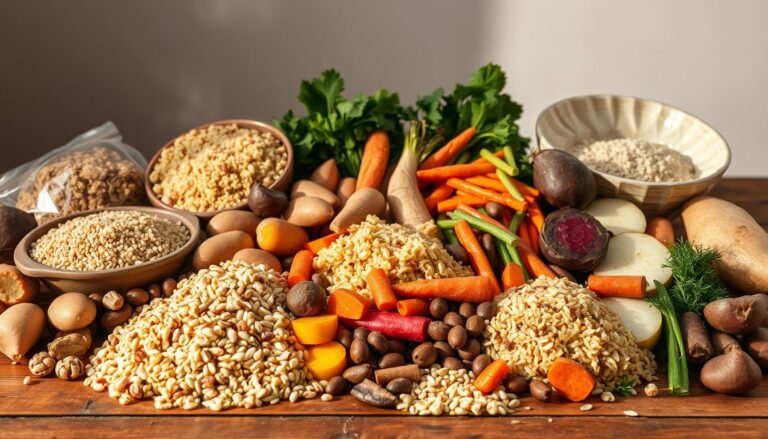
Beans and legumes, including lentils chickpeas, and black beans, are among the best protein-rich foods for vegan and vegetarian diets. These legumes offer comprehensive nutrition profiles, featuring high levels of fiber B vitamins, and essential minerals. Coupled with low levels of unhealthy fats they are excellent plant-based protein sources.
Below is a comparison of commonly consumed legumes highlighting their protein content and other key nutritional information:
| Legume | Protein per 100g | Fiber per 100g | Other Benefits |
|---|---|---|---|
| Lentils | 9g | 8g | Rich in iron and potassium |
| Chickpeas | 8g | 7g | High in folate and manganese |
| Black Beans | 8.9g | 8g | Loaded with antioxidants |
Incorporating these plant-based protein sources into your daily meals will not only supply the necessary protein but also deliver additional nutrients essential for optimal health. Selecting the best protein-rich foods from these categories ensures a balanced healthful diet free from the drawbacks associated with some animal proteins.
Are you choosing the wrong protein-rich foods?
As the demand for high-protein diets surges, many people may inadvertently choose the wrong protein-rich foods leading to common protein mistakes. While it is essential to meet daily protein requirements not all sources of protein align with a healthy diet. One frequent error is opting for processed meats and certain dairy products which rather than benefiting health, might pose significant risks.
Processed meats, for instance can be high in unhealthy fats and preservatives, detracting from their nutritional value. Similarly, although certain cheeses are known for their high protein content, they can also contain excessive amounts of sodium and saturated fats.
Such protein-rich diet mistakes could counteract the positive effects hoped for from a high-protein regimen.
To avoid these protein-rich foods to avoid it’s vital to scrutinize food labels and choose whole unprocessed options. Here is a comparative look at some common protein sources and their nutritional drawbacks:
| Protein Source | Nutritional Drawbacks |
|---|---|
| Processed Meats | High in unhealthy fats and preservatives |
| Certain Cheeses | Excessive sodium and saturated fats |
| Protein Bars | Often high in sugars and artificial ingredients |
By being mindful and making informed choices, it is possible to avoid common protein-rich diet mistakes and select healthier protein sources that contribute to overall well-being.
Unhealthy Sources of Protein to Avoid
While protein is an essential nutrient for maintaining muscle mass, supporting metabolic processes, and promoting overall health certain protein-rich foods to avoid can undermine these benefits. Identifying unhealthy protein sources is key to ensuring your diet supports optimal health.
Processed Meats
Processed meats such as hot dogs, sausages, and deli meats, are common protein-rich foods to avoid due to their association with various health issues. These unhealthy protein options often contain preservatives like nitrates and nitrites, which can increase the risk of cancer. Moreover the high levels of sodium and unhealthy fats in processed meats also contribute to cardiovascular problems.
Grain-Fed Red Meats
Grain-fed red meats, including beef and pork, are unhealthy protein sources due to their high saturated fat content.
Consuming large amounts of grain-fed red meats can raise cholesterol levels and contribute to heart disease. Additionally, the environmental impact of grain-fed livestock farming makes these protein-rich foods to avoid not only for health reasons but also for sustainability considerations.
Low-Quality Protein Powder
Low-quality protein powders can be deceptive as they are often marketed as healthy supplements but may contain harmful additives and insufficient protein quality.
Many of these unhealthy protein options include artificial sweeteners heavy metals, and misleading protein content claims. Opting for high-quality, certified protein powders ensures that you receive the necessary nutrients without compromising your health.
Understanding these unhealthy protein sources is pivotal for making informed dietary choices that prioritize long-term wellness. By avoiding these protein-rich foods to avoid you can maintain a balanced diet that supports your overall health and fitness goals.
Healthy Animal Based Protein Options
When selecting animal-based proteins it’s crucial to choose options that provide high-quality protein without excessive fat. Lean chicken and turkey are excellent choices, offering a rich source of protein while being relatively low in fat.
Opting for grass-fed and organic options can also contribute to a healthier diet, as they typically contain fewer additives and retain more nutrients.
Read more: How Fruits and Veggies Support Heart Health
Fish particularly fatty fish like salmon, is another quality protein source. Salmon is rich in omega-3 fatty acids which are beneficial for heart health and inflammation reduction. When aiming for healthy protein choices it’s essential to diversify your diet by including various animal-based proteins to ensure a broad spectrum of nutrients.
Here is a comparison of some popular quality protein sources:
| Protein Source | Calories per 100g | Protein Content per 100g | Fat Content per 100g |
|---|---|---|---|
| Chicken Breast | 165 | 31g | 3.6g |
| Turkey Breast | 135 | 30g | 1g |
| Salmon wild | 208 | 20g | 13g |
| Beef grass-fed | 250 | 26g | 15g |
By incorporating a variety of animal-based proteins into your diet, you can enjoy the benefits of quality protein sources promoting overall health and wellness.
High-Protein Diet Mistakes to Avoid
Many individuals adopt a high-protein diet to enhance muscle growth and weight loss. Nevertheless common protein intake mistakes can hinder your progress. One critical error is consuming excessive protein without proper hydration which can exacerbate kidney issues and lead to dehydration.
Additionally, balancing your diet is essential. Over-reliance on protein-rich foods can cause an imbalance in nutrient intake further complicating your overall health goals. It’s equally crucial to be wary of the quality of protein supplements. Not all supplements offer the same nutritional benefits and can sometimes be suboptimal in quality.
To optimize your diet, incorporate these protein diet tips: diversify your protein sources, balance them with other nutrients, and stay well-hydrated. Avoid these high-protein diet mistakes and make well-informed dietary choices for optimal health and performance.
Choosing Quality Protein Sources
When it comes to selecting the best protein sources it’s essential to prioritize quality over quantity. Quality protein sources are not only rich in essential amino acids but also free from unhealthy fats and additives. Among these organic meats plant-based proteins, and trusted protein powder brands stand out.
Organic meats, such as free-range chicken, grass-fed beef, and wild-caught fish provide a higher nutritional value compared to their conventional counterparts. These sources ensure you get the necessary proteins without the harmful additives often found in processed meats.
Plant-based proteins, including lentils chickpeas, quinoa, and hemp seeds offer excellent alternatives for those seeking non-animal protein options. They are packed with fiber vitamins and antioxidants making them some of the best protein sources for overall health.
For those opting for protein powders, it’s crucial to choose products from reputable brands that prioritize ingredient quality. Look for those without artificial sweeteners colors,or unnecessary additives. These powders can be a convenient protein nutrition tip to ensure you meet your daily protein requirements efficiently.
By focusing on these quality protein sources and incorporating a variety of them into your diet you can ensure you’re getting the nutrients your body needs for optimum health.
Protein Intake Guidelines
Understanding protein intake guidelines is essential for maintaining optimal health. These guidelines provide valuable insights into daily protein requirements based on several factors including age sex physical activity level, and health goals.
To meet daily protein requirements effectively, it is recommended to distribute protein intake evenly across your meals. Consuming balanced amounts of protein throughout the day helps sustain energy levels and supports muscle repair and growth.
Here is an example of daily protein requirements for different demographics:

Read more: The Top Bodybuilding Diet to Build Muscle Fast
| Demographic | Daily Protein Requirements grams |
|---|---|
| Children ages 4-13 | 19-34g |
| Teenagers ages 14-18 | 46-52g |
| Adults ages 19+ | 46-56g |
| Pregnant/Breastfeeding Women | 71g |
| Athletes | 1.2-2.0g per kg of body weight |
Following these protein intake advice will help ensure you meet your nutritional needs. It is also beneficial to adjust your protein consumption according to your lifestyle and specific health goals such as muscle building or weight management.
Creating a Protein Rich Meal Plan
Creating a balanced and effective protein-rich meal planning process requires integrating a variety of protein sources. A high-protein diet should encompass both animal-based proteins like fish and poultry, and plant-based proteins such as beans and nuts.
This approach ensures comprehensive nutrition while capitalizing on the unique benefits each type of protein offers.
When developing high-protein meal plans diversity is key. By incorporating different sources of protein, you not only maintain interest in your meals but also cover a broader spectrum of essential amino acids and micronutrients. Here’s a sample breakdown of protein sources to include:
| Animal-Based Proteins | Plant-Based Proteins |
|---|---|
| Chicken Breast | Lentils |
| Salmon | Chickpeas |
| Eggs | Tofu |
| Greek Yogurt | Almonds |
For a protein-rich diet to be both enjoyable and nutritional plan meals that offer variety and flavor. Consider combining different protein-rich foods in a single meal. For example, a salad with grilled chicken and a handful of nuts provides a balance of textures and tastes making the diet more sustainable and pleasant.
Consistently incorporating these diverse protein sources within your high-protein meal plans can help sustain energy levels and support muscle repair and growth. By intelligently planning your meals, you’ll be able to achieve your dietary goals without feeling restricted or deprived.
Remember protein-rich meal planning isn’t solely about the quantity of protein but also its quality and diversity. Stick to whole, minimally processed foods to maximize the health benefits and ensure you’re getting a broad spectrum of nutrients.
Protein Nutrition Tips
Enhancing your diet with a variety of protein sources is pivotal for maintaining overall health. A balanced approach includes both plant-based and animal-based proteins. Incorporating these sources into your meals can provide a broad spectrum of essential nutrients.
- Consider mixing protein sources like beans, lentils, chicken, and fish for a well-rounded intake.
- Practice healthy cooking methods such as baking or grilling to reduce excess fats.
- Using herbs and spices instead of salt can enhance flavor and nutritional value.
A strategic approach to healthy eating protein tips involves balancing your intake. This means not only focusing on the quantity but also the quality of the proteins you consume.
| Protein Source | Benefits |
|---|---|
| Chicken Breast | High in lean protein, low in fat |
| Salmon | Rich in omega-3 fatty acids and protein |
| Beans and Legumes | High in fiber and plant-based protein |
Adopting these dietary tips protein can help create a nutritious protein-rich meal plan. Focus on a varied protein diet and make conscious choices about your preparation and seasoning methods to maximize health benefits.
Conclusion
Navigating through the myriad of dietary options can be daunting but recognizing the importance of protein benefits is crucial for sustained healthy eating.
Your choice of high-quality protein sources can have a profound impact on your muscle building potential metabolic processes, and overall well-being. By understanding the different types of protein available and identifying which sources are healthiest, you can make informed decisions that support your health goals.
Optimizing your protein intake is more than just incorporating any protein-rich food into your diet it’s about selecting sources that enhance your health while avoiding those that might have adverse effects.
From salmon to beans the diversity of available proteins allows you to create a varied and nutritionally balanced meal plan. Regularly reviewing and adjusting your dietary choices ensures you align with the latest nutritional insights and personal health requirements.
Ultimately a strategic approach to protein consumption intertwines with sustained healthy eating practices.
By prioritizing nutrient dense and high quality proteins, and remaining mindful of pitfalls like processed meats and low-quality protein powders you can maintain a diet that fosters long-term health and vitality. Embrace the power of protein to transform your dietary habits and support a healthier more robust lifestyle.