What if one ancient herb could transform your stress levels energy and focus?Ashwagandha stands as a cornerstone of Ayurvedic medicine.
This traditional healing system has relied on its power for centuries.
The name comes from Sanskrit meaning smell of the horse. This refers to its unique aroma and strength boosting potential.
Known scientifically as Withania somnifera it also goes by Indian ginseng. This small shrub with yellow flowers grows native to India and Southeast Asia.
People have used it for thousands of years. They sought relief from stress and wanted better concentration.
Today, modern science is catching up to these traditional claims. Research continues to explore its wide ranging health benefits.
Key Takeaways
- Ashwagandha is a fundamental herb in Ayurvedic medicine with a long history of use
- The name translates to smell of the horse from Sanskrit referencing its aroma and strength properties
- Its botanical classification is Withania somnifera with alternative names including Indian ginseng
- The plant is a small shrub with yellow flowers native to India and Southeast Asia
- Traditional uses include stress relief increased energy, and improved concentration
- Modern scientific research is validating many of these historical health claims
- The herb is available in various forms including extracts and powders for consumption
Introduction to Ashwagandha The Ancient Adaptogen
One of nature’s most revered botanical wonders has been supporting wellness practices for millennia. This remarkable herb stands as a testament to traditional healing wisdom that modern science continues to validate.
What is Ashwagandha?
Known scientifically as Withania somnifera this adaptogenic plant belongs to the nightshade family. It grows as a small shrub with vibrant yellow flowers and bright red berries.
The plant thrives in dry regions of India Nepal, and parts of Africa. Traditional practitioners primarily use the mineral-rich root for its therapeutic properties.
Modern supplements typically feature root extract in various concentrated forms. These preparations maintain the herb’s potent bioactive compounds while ensuring consistent potency.
Historical Use in Ayurvedic Medicine
Ayurvedic texts dating back over 3,000 years document ashwagandha as a premier rasayana. This Sanskrit term refers to rejuvenating tonics that promote longevity and vitality.
Ancient healers prepared the herb through careful extraction methods. They would dry and powder the root then combine it with ghee honey or milk for enhanced absorption.
The traditional preparation process honored the plant’s holistic nature. Practitioners believed this preserved the herb’s intelligence and healing synergy.
Historical applications focused on strengthening the nervous system and enhancing physical endurance. Warriors and scholars alike valued this botanical for its grounding and energizing effects.
Why It’s Called Indian Ginseng
Ashwagandha earned the nickname Indian Ginseng due to its remarkable adaptogenic qualities. Like Asian ginseng it helps the body adapt to various stressors while supporting overall resilience.
Both herbs share similar rejuvenating properties, though they come from different botanical families. The comparison highlights ashwagandha’s esteemed position in traditional medicine systems.
This powerful adaptogen works holistically rather than targeting specific symptoms alone. Its broad-spectrum approach to wellness continues to impress modern researchers studying the benefits ashwagandha offers.
Today, this ancient remedy remains available in multiple forms including capsules powders, and tinctures. Each form offers unique advantages for different wellness goals and preferences.
Understanding How Ashwagandha Works in the Body
Modern science reveals how this ancient herb creates powerful physiological changes. Research shows it works through multiple mechanisms to support whole-body wellness.
The Science Behind Adaptogens
Adaptogens are natural substances that help the body resist physical and emotional stress. They work by modulating the stress response system without overstimulating.
Ashwagandha functions as a true adaptogen by balancing various physiological processes. It helps regulate key stress mediators including heat shock proteins and cortisol.
These compounds assist the body in maintaining homeostasis during challenging periods. They support the nervous system’s ability to adapt to changing demands.
Cortisol Regulation Mechanism
This herb significantly impacts cortisol production and secretion. It reduces activity in the hypothalamic-pituitary adrenal HPA axis.
The HPA axis is your body’s central stress response system. Ashwagandha helps moderate its activity preventing excessive cortisol release.
Research indicates it can lower circulating cortisol levels by up to 30%. This reduction helps mitigate the negative effects of chronic stress on the body.
Regular use creates a buffering effect against stress-induced cortisol spikes. This mechanism supports better stress resilience over time.
Antioxidant and Anti-inflammatory Properties
Ashwagandha contains powerful compounds that combat oxidative damage. Withaferin A and other withanolides provide strong antioxidant protection.
These compounds neutralize free radicals and reduce oxidative stress throughout the body. They help protect cells from damage caused by environmental stressors.
The anti-inflammatory properties are equally impressive. Research shows it can significantly reduce markers of inflammation in the body.
This dual action makes it valuable for addressing both oxidative and inflammatory conditions. The effects contribute to overall cellular health and longevity.
| Physiological System | Ashwagandha’s Action | Observed Effects |
|---|---|---|
| HPA Axis | Modulates activity | Reduced cortisol production |
| Nervous System | Supports adaptation | Improved stress response |
| Immune Function | Reduces inflammation | Lower inflammatory markers |
| Cellular Health | Combats oxidative stress | Enhanced antioxidant protection |
Most people begin noticing these physiological effects within 2-4 weeks of consistent use. The full adaptogenic benefits typically develop over 2-3 months of regular supplementation.
This time frame allows the body to gradually integrate the herb’s balancing effects. The cumulative impact supports lasting improvements in stress resilience and overall wellness.
10 Proven Benefits of Ashwagandha for Overall Wellness
Modern research now confirms what traditional healers knew for centuries. Scientific studies reveal remarkable wellness effects across multiple body systems.
This adaptogenic herb offers a holistic approach to health improvement. Its multi-faceted action addresses both mental and physical wellness needs.

Clinical investigations demonstrate significant stress reduction capabilities. Participants in these studies reported better mood and improved relaxation.
Athletic performance enhancements represent another well-documented area. Research shows measurable improvements in strength endurance, and recovery times.
Sleep quality improvements stand out among the most appreciated effects. Users consistently report deeper more restorative sleep patterns.
Cognitive function benefits include better memory retention and focus. These mental clarity improvements support both work and academic performance.
Male reproductive health shows particular promise in clinical settings. Studies indicate positive impacts on fertility markers and hormonal balance.
Inflammation reduction represents another significant health advantage. This anti-inflammatory action supports joint health and overall wellness.
Blood sugar management effects have been observed in multiple trials. These metabolic benefits contribute to better energy regulation.
The growing body of evidence continues to validate traditional uses. Modern science now confirms the broad spectrum wellness support this herb provides.
| Health Area | Research Findings | Study Participants |
|---|---|---|
| Stress Management | 27-30% cortisol reduction | Adults with chronic stress |
| Athletic Performance | Improved VO2 max and strength | Healthy adults in training |
| Sleep Quality | 72% reported better sleep | Individuals with sleep concerns |
| Cognitive Function | Enhanced memory and focus | Adults across age groups |
| Reproductive Health | Improved sperm quality | Men with fertility concerns |
| Inflammation Markers | Reduced CRP levels | Adults with inflammation |
| Blood Sugar Control | Better glucose management | Adults with metabolic concerns |
Different populations may experience varying degrees of these advantages. Individual responses depend on factors like dosage duration, and personal health status.
The following sections will explore each area in greater detail. You’ll discover the specific research behind these remarkable wellness effects.
This comprehensive approach to health makes this herb particularly valuable. It addresses multiple aspects of wellbeing through a single natural solution.
Stress and Anxiety Reduction
Multiple studies confirm this herb’s ability to significantly lower anxiety and stress markers. Research demonstrates impressive results across various populations and study designs.
Clinical Evidence for Stress Relief
Scientific investigations reveal compelling data on stress management. A study with 58 participants showed remarkable outcomes.
Those taking 250 or 600 mg of ashwagandha extract for 8 weeks experienced significant reductions. Both perceived stress and cortisol levels dropped compared to placebo groups.
Another research project involved 60 people over 60 days. Participants taking 240 mg daily reported substantial anxiety reduction.
These studies used standardized rating scales to measure outcomes. The results consistently show ashwagandha’s effectiveness for stress relief.
How Ashwagandha Lowers Cortisol Levels
This adaptogen works through sophisticated biochemical mechanisms. It directly influences cortisol production and regulation.
Ashwagandha may help reduce cortisol by up to 30% in stressed individuals. This reduction occurs through HPA axis modulation.
The herb regulates key stress mediators throughout the body. This creates a calming effect on the entire stress response system.
Noticeable effects typically appear within 2-4 weeks of consistent use. Full benefits develop over 2-3 months of regular supplementation.
Impact on the HPA Axis
The hypothalamic pituitary adrenal axis controls stress responses. Ashwagandha reduces its activity during stressful periods.
This modulation helps rebalance the fight-or-flight response. The herb tackles adverse effects of chronic stress effectively.
Unlike pharmaceutical interventions, ashwagandha works holistically. It supports the body’s natural adaptation mechanisms.
The safety profile for stress management use is excellent. Most people experience no significant side effects at recommended doses.
| Study Parameter | Dosage | Duration | Results |
|---|---|---|---|
| Stress Reduction | 250-600 mg | 8 weeks | Significant cortisol reduction |
| Anxiety Relief | 240 mg | 60 days | Measurable anxiety decrease |
| HPA Axis Modulation | 300-500 mg | 4-12 weeks | Improved stress response |
Optimal dosing strategies typically range from 250-600 mg daily. Higher doses may provide more pronounced effects for severe stress.
The difference between acute and chronic stress response is important. Ashwagandha shows benefits for both immediate and long term stress management.
This natural approach offers a valuable alternative to conventional treatments. It addresses both psychological and physiological aspects of stress.
Enhanced Athletic Performance and Strength
Scientific research reveals impressive advantages for physical conditioning and exercise capacity. Multiple investigations demonstrate measurable improvements across various fitness parameters.
Athletes and active individuals can experience better workout results. The herb supports both performance metrics and recovery processes.
Improvements in VO2 Max and Oxygen Use
VO2 max represents maximum oxygen consumption during intense exercise. Higher values indicate better cardiovascular fitness and endurance capacity.
Research shows significant enhancement in this critical measurement. One analysis found notable increases among supplement users.
Improved oxygen utilization allows for more efficient energy production. This benefit supports longer, more intense training sessions.
The mechanism involves better cellular respiration and mitochondrial function. These changes enable the body to process oxygen more effectively.
Muscle Strength and Recovery Benefits
Resistance training studies demonstrate remarkable strength gains. Participants using the herb showed greater improvements compared to placebo groups.
A 2015 investigation involved male subjects taking 600 mg daily. After 8 weeks of training they achieved significantly better results.
These individuals experienced greater muscle mass development and power output. The supplement supported their strength-building efforts effectively.
Recovery benefits include reduced exercise-induced muscle damage. Users report less soreness and faster return to training.
Research on Resistance Training Outcomes
Meta-analysis of 12 studies provides compelling evidence. Doses ranged from 120 mg to 1,250 mg daily across these investigations.
Results consistently show enhanced physical performance capabilities. The herb’s effects appear dose-dependent within safe ranges.
Optimal dosing for athletic enhancement typically falls between 300-600 mg daily. Most users notice improvements within 4-8 weeks of consistent use.
Both competitive athletes and recreational exercisers benefit from these advantages. The supplement supports various training modalities and fitness levels.
Ashwagandha may particularly benefit endurance activities and strength training. Its adaptogenic properties help the body handle physical stress more effectively.
Mental Health and Cognitive Benefits
Beyond physical wellness this adaptogenic herb demonstrates remarkable support for mental clarity and emotional balance. Research reveals significant advantages for cognitive performance and psychological wellbeing.
Clinical investigations show promising results across various mental health conditions. The herb’s multi-faceted approach addresses both mood and cognitive function.
Depression Symptom Reduction
Research involving clinical populations shows impressive outcomes. One investigation examined participants with schizophrenia taking 1,000 mg daily.
After 12 weeks they experienced greater reductions in depression and anxiety symptoms. Limited research also suggests potential benefits for bipolar disorder.
These findings indicate broader applications for mood support. The herb’s adaptogenic properties help stabilize emotional responses.
Memory and Focus Enhancement
A study with 50 adults demonstrated significant cognitive improvements. Participants took 600 mg of extract daily for 8 weeks.
Results showed enhanced immediate and general memory performance. Attention and concentration abilities also improved markedly.
These cognitive benefits extend to various age groups and populations. Both healthy individuals and those with concerns experience positive effects.
Information Processing Speed Improvements
The same research revealed faster information processing capabilities. Participants completed cognitive tasks more efficiently after supplementation.
This suggests better neural communication and brain efficiency. The herb supports optimal cognitive function across multiple domains.
Regular use may help maintain these advantages long-term. Most users notice improvements within 2-3 months of consistent use.
Ashwagandha may protect brain cells through antioxidant mechanisms. Its compounds combat oxidative damage that can impair cognitive function.
Stress reduction contributes significantly to improved mental performance. Lower cortisol levels create better conditions for memory formation and recall.
These combined effects make this herb valuable for age related cognitive support. Research continues to explore its potential for neurological conditions.
Male Reproductive Health and Testosterone
Emerging research reveals compelling evidence for this adaptogen’s role in supporting male vitality. Scientific investigations demonstrate measurable improvements across multiple reproductive health parameters.
These findings validate traditional uses while offering modern applications. The herb’s multi-faceted approach addresses both hormonal balance and physical function.
Fertility and Sperm Quality Improvements
A comprehensive review of four clinical studies shows significant results. Males with low sperm count experienced remarkable improvements after supplementation.
Treatment significantly increased sperm concentration and semen volume. Sperm motility also showed substantial enhancement across these investigations.
These changes directly impact fertility potential and reproductive success. The improvements occurred within typical supplementation periods of 8-12 weeks.
Researchers attribute these benefits to reduced oxidative stress in reproductive tissues. The herb’s antioxidant properties protect sperm cells from damage.
Natural Testosterone Boosting Effects
One notable study involved males aged 40-70 with overweight conditions. Participants took ashwagandha extract for 8 weeks with impressive results.
Treatment was associated with an 18% greater increase in DHEA-S levels. This hormone serves as a crucial precursor for testosterone production.
Participants showed a 14.7% increase in testosterone compared to placebo groups. These changes occurred without pharmaceutical intervention.
The mechanism involves support for the body’s natural hormonal pathways. Ashwagandha may enhance enzymatic processes involved in testosterone synthesis.
Libido and Sexual Function Support
Improved hormonal balance naturally supports sexual desire and performance. Many users report enhanced libido and sexual satisfaction.
These benefits stem from both physiological and psychological factors. Reduced stress levels contribute significantly to improved sexual function.
Optimal dosing for reproductive health typically ranges from 300-600 mg daily. Most studies show benefits within 2-3 months of consistent use.
Middle-aged and older males appear to benefit most from these effects. Younger populations may experience more subtle changes depending on baseline levels.
| Health Parameter | Improvement Percentage | Study Duration |
|---|---|---|
| Testosterone Levels | 14.7% increase | 8 weeks |
| DHEA-S Production | 18% increase | 8 weeks |
| Sperm Concentration | Significant improvement | 8-12 weeks |
| Sperm Motility | Measurable enhancement | 8-12 weeks |
Long-term use appears safe for most healthy individuals. No significant adverse effects have been reported in reproductive health studies.
These combined benefits make this herb valuable for overall male wellness. It addresses both fertility concerns and age-related hormonal changes.
Individual responses may vary based on baseline health status and dosage. Consistency remains key for achieving optimal reproductive health benefits.
Metabolic and Blood Sugar Regulation
Research continues to uncover impressive metabolic advantages of this ancient adaptogen. Multiple investigations demonstrate significant improvements in glucose management and related biomarkers.
These findings offer promising support for metabolic health concerns. The herb’s multi-system approach addresses both blood sugar control and associated risk factors.
Impact on Insulin Sensitivity
A comprehensive review of 24 clinical investigations revealed remarkable outcomes. Treatment consistently improved insulin sensitivity across diverse participant groups.
The mechanism involves enhanced cellular glucose uptake. Withaferin A, a key compound, stimulates cells to absorb sugar from the bloodstream.
This action helps reduce hyperglycemia naturally. It supports the body’s ability to maintain balanced glucose levels.
Improved insulin response creates better metabolic stability. Users experience fewer energy crashes and sugar cravings.
Benefits for Diabetes Management
Studies show particular promise for type 2 diabetes support. The herb works complementarily with conventional treatments.
It helps address underlying metabolic dysfunction. This approach supports comprehensive diabetes management strategies.
Regular use may help prevent progression of prediabetes. The adaptogenic properties support overall metabolic resilience.
Most research demonstrates benefits within 8-12 weeks of consistent use. Effects appear dose-dependent within safe ranges.
Hemoglobin A1c Reduction Evidence
Long-term glucose control shows significant improvement. Hemoglobin A1c markers decrease substantially with supplementation.
This indicates better average blood sugar control over time. Reduced HbA1c levels correlate with decreased diabetes complications.
The antioxidant properties protect pancreatic beta cells. This preservation supports natural insulin production.
Lipid profiles also improve alongside glucose parameters. Total cholesterol and triglycerides show favorable reductions.
The consistent reduction in both fasting glucose and HbA1c levels across multiple studies demonstrates ashwagandha’s potential role in metabolic health management.
| Metabolic Marker | Average Improvement | Study Duration |
|---|---|---|
| Fasting Blood Glucose | Significant reduction | 8-12 weeks |
| Hemoglobin A1c | Notable decrease | 8-12 weeks |
| Insulin Sensitivity | Measurable enhancement | 8-12 weeks |
| Lipid Profiles | Favorable changes | 8-12 weeks |
Optimal dosing for metabolic benefits typically ranges from 300-500 mg daily. Higher doses within studied ranges may provide more pronounced effects.
Different populations experience varying degrees of improvement. Those with elevated baseline levels typically show greater changes.
The safety profile remains excellent for metabolic support use. No significant adverse effects have been reported in glucose management studies.
This natural approach offers valuable complementary support. It addresses multiple aspects of metabolic health through holistic mechanisms.
Anti-inflammatory and Immune System Effects
The remarkable healing potential of this adaptogenic herb extends to inflammation control and immune support. Scientific research reveals impressive mechanisms that balance the body’s defense responses.
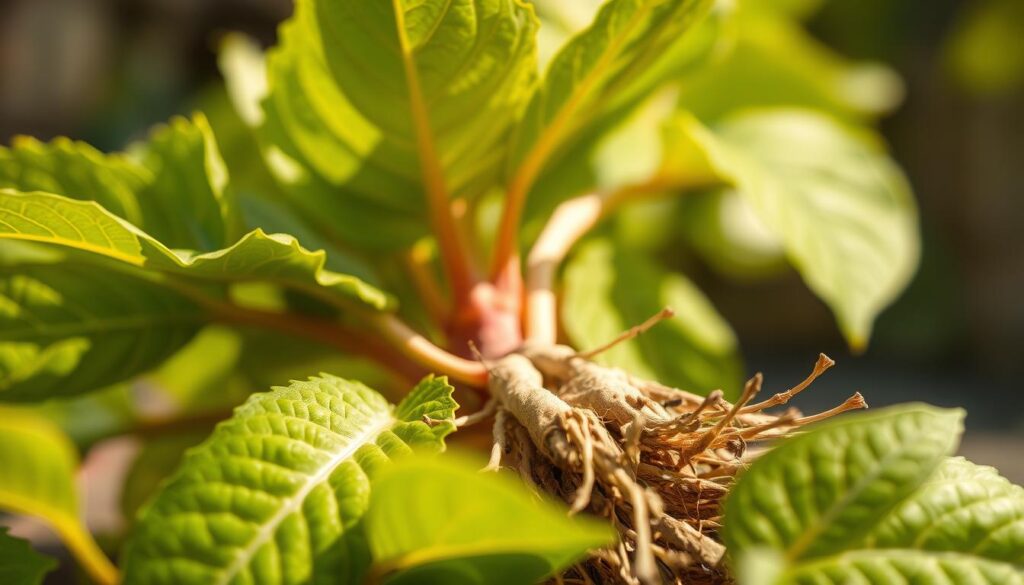
Read more: Discover the Top 10 Anti-Inflammatory Foods
Human studies demonstrate significant reductions in key inflammatory markers. A 2021 investigation showed impressive results with COVID-19 patients.
Reduction of Inflammatory Markers
Clinical evidence confirms substantial decreases in critical inflammation indicators. Patients taking an Ayurvedic formulation containing this herb experienced notable changes.
Levels of C-reactive protein CRP dropped significantly in these individuals. Interleukin-6 IL-6 and tumor necrosis factor-alpha TNF-α also showed marked reductions.
These proteins serve as primary indicators of systemic inflammation. Their decrease suggests powerful anti-inflammatory activity.
Animal research provides additional mechanistic insights. Withaferin A appears to help reduce interleukin-10 (IL-10) and other inflammatory compounds.
Immune Modulation Properties
This adaptogen possesses unique immunomodulating properties that balance defense responses. It strengthens immune capabilities while preventing excessive reactions.
The herb supports natural killer cell activity and antibody production. Simultaneously it calms overactive inflammatory pathways.
This dual action creates optimal conditions for infection defense and recovery. The body can fight pathogens effectively without damaging self tissues.
Regular use may enhance resistance to common illnesses. Many users report fewer seasonal infections and faster recovery times.
Applications for Autoimmune Conditions
The balancing effects show particular promise for autoimmune support. These conditions involve misguided immune attacks on healthy tissues.
By modulating the immune system’s activity this herb may reduce autoimmune flare ups. It helps restore appropriate response levels without suppression.
Research suggests potential benefits for rheumatoid arthritis and other inflammatory conditions. Human trials continue to explore these applications.
Antioxidant mechanisms contribute significantly to these protective effects. They reduce oxidative stress that can trigger inflammatory responses.
Dosing for immune support typically ranges from 300-500 mg daily. Most studies show benefits within 8-12 weeks of consistent use.
The immunomodulating capacity of this adaptogen represents a significant advancement in natural medicine offering balanced support for both immune enhancement and inflammation control.
| Inflammatory Marker | Reduction Percentage | Study Population |
|---|---|---|
| C-reactive Protein CRP | Significant decrease | COVID-19 patients |
| Interleukin-6 IL-6 | Measurable reduction | COVID-19 patients |
| Tumor Necrosis Factor-alpha TNF-α | Notable decline | COVID-19 patients |
| Interleukin-10 IL-10 | Observed decrease | Animal models |
Both acute and chronic inflammation markers respond favorably to supplementation. The herb addresses immediate inflammatory responses and underlying systemic inflammation.
This comprehensive approach makes it valuable for various health concerns. From seasonal support to chronic condition management the benefits are substantial.
Individual responses may vary based on baseline inflammation levels. Those with higher initial markers typically experience more pronounced improvements.
The safety profile remains excellent for immune system modulation. No significant adverse effects have been reported in inflammation studies.
Sleep Quality and Energy Enhancement
Research demonstrates this adaptogen’s remarkable ability to transform rest patterns and daytime vitality. Multiple studies reveal significant improvements in both sleep architecture and waking energy.
Deep Sleep Promotion
A comprehensive investigation with 58 participants showed impressive results. Those taking this herbal supplement experienced measurable improvements in sleep quality.
Another study involved 50 adults aged 65-80 taking 600 mg daily. After 12 weeks they reported significantly better rest patterns and architecture.
The mechanism involves cortisol regulation throughout the night. Lower stress hormone levels create optimal conditions for deep restorative sleep stages.
Results appear most pronounced in individuals with insomnia concerns. Those taking higher doses for longer periods experience greater benefits.
Morning Alertness Improvements
Participants consistently report enhanced mental clarity upon waking. The same 50-adult study demonstrated significant alertness improvements.
This daytime benefit stems from more restorative nighttime sleep. Better sleep quality naturally translates to improved morning energy levels.
Reduced anxiety contributes substantially to this effect. Lower stress levels help people feel more refreshed throughout the day.
Natural Energy Boosting Without Stimulants
This adaptogen provides sustainable vitality without caffeine-like side effects. It works by supporting the body’s natural energy production systems.
Unlike stimulants it doesn’t cause jitters or energy crashes. The effect builds gradually through improved physiological balance.
Optimal dosing for sleep and energy benefits typically ranges from 300-600 mg daily. Most users notice improvements within 8 weeks of consistent use.
Long-term use supports lasting changes in sleep patterns and daytime vitality. The herb addresses both immediate and chronic sleep concerns effectively.
| Study Group | Dosage | Duration | Key Findings |
|---|---|---|---|
| 58 participants | Varied | 8+ weeks | Sleep quality improvements |
| 50 adults 65-80 | 600 mg/day | 12 weeks | Better alertness and rest quality |
| Insomnia patients | 600+ mg/day | 8+ weeks | Most pronounced benefits |
The consistent improvements in both sleep initiation and morning alertness demonstrate this adaptogen’s unique ability to support the complete sleep wake cycle naturally.
Different age groups experience varying degrees of improvement. Older adults and those with sleep disorders typically show the most significant changes.
This natural approach offers valuable support for comprehensive sleep health. It addresses both the quality of rest and resulting daytime energy levels.
Additional Health Benefits and Applications
Beyond its well-documented primary advantages, this adaptogenic herb offers remarkable support for multiple body systems. Research continues to uncover diverse therapeutic applications that complement its core wellness benefits.
The comprehensive nature of these additional advantages demonstrates the herb’s holistic approach to wellbeing. Each application works synergistically with others to support whole-body health.
Heart Health and Cholesterol Management
Clinical studies reveal impressive cardiovascular support capabilities. This adaptogen helps maintain healthy cholesterol levels through multiple mechanisms.
Research shows significant reductions in LDL cholesterol and triglycerides. Simultaneously, it supports healthy HDL cholesterol production.
The antioxidant properties protect cardiac tissue from oxidative damage. This protection extends to blood vessels throughout the circulatory system.
Blood pressure management represents another important cardiovascular benefit. The herb helps maintain healthy pressure levels through stress reduction and vascular support.
The combination of lipid management and antioxidant protection makes this adaptogen valuable for comprehensive cardiovascular wellness support.”
Skin Health and Anti-aging Properties
The antioxidant capacity extends remarkably to dermatological applications. These properties combat free radicals that accelerate skin aging.
Collagen production receives significant support from regular use. This essential protein maintains skin elasticity and youthful appearance.
Antibacterial effects help manage skin infections and acne concerns. The anti-inflammatory properties reduce redness and irritation associated with various skin conditions.
Cellular level protection slows the visible signs of aging. The herb supports skin cell regeneration and overall dermal health.
Hair Strength and Growth Support
Scalp health benefits from both anti-inflammatory and nutritional support. These effects create optimal conditions for hair growth and strength.
Cortisol regulation helps address stress related hair shedding. Reduced stress hormone levels minimize this common hair loss trigger.
The herb contains beneficial elements that strengthen hair follicles. These compounds support thicker more resilient hair growth.
Scalp irritation reduction improves overall hair health. This creates better environment for maintaining healthy hair production.
| Application Area | Key Benefits | Supporting Evidence |
|---|---|---|
| Cardiovascular System | Cholesterol management blood pressure support | Multiple clinical studies showing lipid improvements |
| Dermatological Health | Anti aging collagen support, antibacterial effects | Research on antioxidant protection and skin cell health |
| Hair and Scalp | Growth support, strength enhancement, reduced shedding | Studies on cortisol regulation and nutritional support |
Dosing considerations vary based on specific health goals. Most applications benefit from 300-500 mg daily of standardized extract.
These additional advantages work alongside the primary benefits discussed earlier. The comprehensive nature of these effects makes this adaptogen particularly valuable for whole body wellness.
Scientific evidence continues to grow for these diverse applications. Future research will likely uncover even more therapeutic properties of this remarkable botanical.
Safety Considerations and Proper Usage
Before incorporating this adaptogenic herb into your routine several safety considerations deserve attention. Understanding proper usage guidelines helps maximize benefits while minimizing potential risks.

Read more: Herbs that help focus Important for you
Recommended Dosages and Forms
Clinical research supports various dosing ranges for different health goals. Most studies use 250-1,250 mg daily of standardized extract.
Common forms include capsules, powders, and liquid extracts. Each form offers different absorption rates and convenience factors.
Root extract preparations typically provide more concentrated active compounds. Whole herb preparations maintain the plant’s natural synergy but may vary in potency.
Quality considerations include third-party testing and standardization. Reputable brands provide consistent withanolide content per serving.
Potential Side Effects and Precautions
Most people tolerate this supplement well when used appropriately. Some individuals report mild gastrointestinal discomfort.
Other possible effects include drowsiness diarrhea or vomiting. These typically occur at higher doses or in sensitive individuals.
Medication interactions require careful consideration. This herb may enhance effects of sedatives thyroid medications, and immunosuppressants.
Healthcare professional consultation is recommended before starting supplementation. This is particularly important for those with existing health conditions.
Who Should Avoid Ashwagandha
Pregnant and breastfeeding women should avoid this supplement. Limited safety data exists for these populations.
People with hormone-sensitive conditions require caution. This includes certain prostate cancers and hormone-related disorders.
Those with autoimmune diseases or thyroid disorders should consult healthcare providers. The herb’s immunomodulating effects may require monitoring.
Individuals scheduled for surgery should discontinue use several weeks beforehand. The herb may affect anesthesia and blood sugar control.
People with liver conditions need medical guidance before use. While generally safe, individual circumstances vary.
Most research supports safe use for up to three months. Long-term effects beyond this period require further study.
Benefits typically develop gradually over several weeks of consistent use. Patience and consistency yield the best results.
Starting with lower doses allows assessment of individual tolerance. Gradual increases help identify optimal personal dosage.
Conclusion: Integrating Ashwagandha Into Your Wellness Routine
This ancient adaptogen offers comprehensive support for modern wellness challenges. Scientific evidence confirms its traditional uses across multiple health domains.
Ashwagandha works holistically to balance stress responses and enhance vitality. Its adaptogenic nature makes it suitable for daily integration alongside other healthy practices.
Always consult a healthcare professional before beginning supplementation. They can help determine if this herb aligns with your individual health needs.
Quality products from reputable brands ensure optimal benefits. When used appropriately, ashwagandha can be a valuable addition to your wellness journey.