Do you believe that controlling fatty liver toxins and their symptoms is key to permanently improving liver health?
This article aims to explain and simplify the complexities of fatty liver disease by providing a comprehensive guide to effective management strategies. Understanding and diagnosing the condition is crucial as are medical interventions and lifestyle changes to alleviate symptoms and promote liver health. Read on to explore fatty liver toxin treatment and hwo you can improve your overall health.
Key Takeaways
- Understanding fatty liver disease is the first step in managing it effectively.
- Early diagnosis is crucial for better treatment outcomes.
- Combining medical and lifestyle approaches can significantly improve liver health.
- Recognizing and addressing common and advanced fatty liver symptoms is essential.
- Dietary changes and physical activity are pivotal in managing the condition.
Understanding Fatty Liver Disease
Fatty liver disease, the buildup of excess fat in liver cells, is a condition that has become increasingly prevalent due to rising rates of obesity and metabolic disorders. It’s essential to differentiate between the various types of fatty liver disease to tailor effective treatments and manage liver health optimally.
What is Fatty Liver Disease?
Fatty liver disease occurs when there’s an excessive accumulation of fat in liver cells, leading to inflammation and potential liver damage. This condition can develop without causing significant symptoms in the early stages but may progress to more severe conditions such as cirrhosis if left untreated. Addressing fatty liver disease treatment early can significantly improve liver health and overall well-being.
Causes of Fatty Liver Disease
Fatty liver disease can be caused by a variety of factors, including obesity type 2 diabetes high cholesterol, and excessive alcohol consumption. Poor dietary choices and sedentary lifestyles also contribute to the development of this condition. Understanding these causes is crucial for implementing effective fatty liver disease treatment strategies and improving liver health.
Difference between MASLD and MASH
There are two main forms of fatty liver disease: Metabolic Dysfunction-Associated Steatotic Liver Disease MASLD and Metabolic Dysfunction-Associated Steatohepatitis MASH. MASLD is characterized by the accumulation of fat in the liver without significant inflammation or liver damage. In contrast MASH involves both fat buildup and inflammation which can lead to liver fibrosis and cirrhosis.
Distinguishing between MASLD and MASH is critical for determining the appropriate fatty liver disease treatment. While MASLD may respond well to lifestyle changes MASH often requires more intensive medical interventions to manage inflammation and prevent further liver damage.
Symptoms of Fatty Liver
Identifying the symptoms of fatty liver can sometimes be challenging as the condition often starts with no apparent signs. However, as the disease progresses, several symptoms become more noticeable demanding attention to prevent further liver damage.
Common Symptoms
Initially the symptoms of fatty liver are subtle, making it easy to overlook them. Common early signs include persistent fatigue mild discomfort in the upper right abdomen, and a general feeling of malaise. These symptoms may appear vague but they are crucial indicators that warrant a closer look into a potential fatty liver diagnosis.
Advanced Symptoms
As fatty liver disease advances, the symptoms become more severe and pronounced. Advanced symptoms can include jaundice characterized by yellowing of the skin and eyes significant abdominal swelling due to fluid accumulation, and extreme tiredness that impacts daily activities. Recognizing these advanced symptoms is critical as they often signal more severe liver damage needing immediate medical intervention.
| Symptom Stage | Common Symptoms | Advanced Symptoms |
|---|---|---|
| Fatigue | Persistent mild fatigue | Extreme tiredness |
| Abdominal Discomfort | Mild upper right discomfort | Significant abdominal swelling |
| Malaise | General feeling of malaise | Severe fatigue |
| Skin Symptoms | None | Jaundice |
Early detection through an accurate fatty liver diagnosis is essential in managing and treating the condition effectively thereby preventing the progression to more severe stages.
Risk Factors for Fatty Liver Disease
Understanding the fatty liver risk factors is essential to mitigate the potential onset of the disease. Several elements contribute to a higher risk of developing fatty liver, ranging from genetic predispositions to lifestyle choices.
Genetic Factors
Genetics play a significant role in the development of fatty liver disease. Family history can increase the likelihood of individuals developing this condition. Specific genetic mutations are linked to fat accumulation in the liver, making certain individuals more susceptible. Studies have shown that these genetic factors can interact with lifestyle choices, amplifying the risk.
Lifestyle and Health Conditions
Lifestyle and underlying health conditions are critical contributors to fatty liver disease. Obesity and type 2 diabetes are particularly significant contributors. Here’s how they influence fatty liver risk:
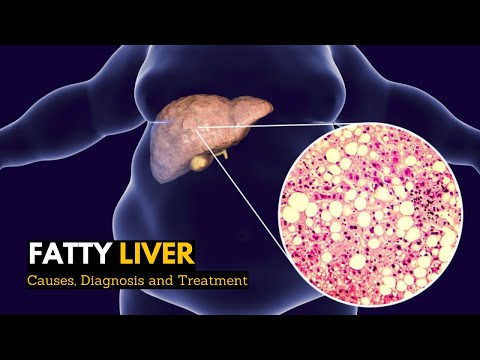
- Obesity: Excess body fat is a major contributor to fatty liver disease. The accumulation of fat in the liver cells is a direct result of obesity making weight management crucial.
- Type 2 Diabetes: Insulin resistance, often seen in type 2 diabetes leads to increased fat storage in the liver. Managing blood sugar levels is essential to reduce this risk.
- Dietary Habits: Poor dietary choices high in refined sugars and unhealthy fats exacerbate the condition. Emphasizing a balanced, nutrient-rich diet can lower fatty liver risk.
Balancing genetic predispositions with a healthy lifestyle is key to minimizing fatty liver risk factors. Understanding these elements can empower individuals to take proactive steps in prevention.
Diagnosis of Fatty Liver Disease
Identifying fatty liver disease is crucial to maintaining optimal liver health. Effective fatty liver diagnosis methods are essential for accurate detection and tailored treatment. This section delves into the primary diagnostic techniques employed to diagnose this condition.
Blood Tests
Blood tests are often the first step in diagnosing fatty liver disease. These tests measure the levels of liver enzymes, such as alanine aminotransferase ALT and aspartate aminotransferase AST which can indicate liver inflammation. Additionally blood tests can help assess overall liver health and detect other conditions that may contribute to or result from fatty liver disease.
Imaging Tests
Imaging tests provide a non-invasive way to visualize the liver. Commonly used techniques include:
- Ultrasound: Uses sound waves to create images of the liver, helping to detect fat deposits.
- CT Scan: Provides detailed cross-sectional images of the liver to identify abnormalities.
- MRI: Offers a more precise evaluation of liver fat content and structure.
Biopsy
A liver biopsy remains the gold standard for diagnosing fatty liver disease. This procedure involves extracting a small tissue sample from the liver, which is then examined under a microscope to assess the extent of fat accumulation inflammation, and potential scarring. A biopsy provides comprehensive insights crucial for determining the appropriate treatment strategy.
By leveraging these diverse fatty liver diagnosis methods healthcare providers can ensure accurate detection and effective management, promoting better liver health.
Effective Fatty Liver Remedies
When addressing fatty liver disease, a combination of pharmaceutical and natural remedies can deliver impressive results. Approaches for fatty liver treatment come in various forms each with unique benefits.
One effective strategy involves the use of pharmaceutical treatments prescribed by healthcare professionals. These medications aim to reduce liver inflammation decrease fat buildup, and promote better liver function.
Medications such as Vitamin E supplements pioglitazone a type of diabetes medication and statins for cholesterol management are commonly prescribed. It is crucial to follow a doctor’s advice when considering pharmaceutical fatty liver treatment options.
Incorporating natural remedies into your routine can also support liver health. A comprehensive liver detox can be achieved using a combination of dietary adjustments supplements, and herbs known for their liver-protective properties. Herbs like milk thistle dandelion root, and artichoke leaf have shown promising results in supporting liver function and aiding in detoxification.
Milk thistle is recognized for its active compound silymarin, which has antioxidant and anti-inflammatory properties that promote liver cell regeneration.
Additionally, lifestyle changes such as regular physical activity and maintaining a healthy weight play a significant role in managing fatty liver disease. Engaging in activities like walking running or yoga can enhance liver detox and improve overall health.
For a comprehensive fatty liver treatment approach, consider adding the following remedies to your routine:
- Milk Thistle Supplements: Known for their antioxidant properties.
- Omega-3 Fatty Acids: Found in fish oil, these can help reduce fat accumulation in the liver.
- Green Tea Extract: Contains catechins that support liver health.
- Dietary Modifications: A diet rich in fruits vegetables, and lean proteins.
- Regular Exercise: Promotes fat reduction and improves liver function.
Balancing pharmaceutical treatments with natural remedies provides a holistic approach to managing fatty liver disease paving the way for healthier liver function and overall well-being.
Fatty Liver Natural Treatment Approaches
For individuals seeking to manage fatty liver disease incorporating natural treatments can play a beneficial role in reducing liver fat content and alleviating symptoms. Exploring herbal supplements and dietary interventions can offer promising results for a natural liver cleanse making these approaches an essential component of a fatty liver natural treatment strategy.

Read more: Heal Your Liver How Long Does Recovery Take?
Herbal Supplements
Herbal supplements have garnered attention for their potential in supporting liver health. Milk thistle for instance is widely regarded for its active compound silymarin which has antioxidant and anti-inflammatory properties. Dandelion root and turmeric are also recognized for their roles in promoting a natural liver cleanse and supporting liver function.
Incorporating these herbal supplements into a daily regimen may aid in the management of fatty liver disease.
Dietary Interventions
Dietary changes are fundamental in addressing fatty liver disease. A diet rich in whole foods like fruits, vegetables whole grains, and lean proteins is essential. Reducing intake of processed foods sugars, and unhealthy fats can significantly contribute to a fatty liver natural treatment. Moreover incorporating antioxidant-rich foods like berries, and healthy fats such as those found in avocados and nuts, can further support liver health.
Fatty Liver Detox Methods
Detoxification can play a vital role in addressing fatty liver disease. Implementing effective liver detox strategies can significantly improve liver function and overall health. This section will explore a variety of detox methods for liver health, focusing on dietary adjustments and lifestyle changes.
Several detox methods support liver health. Here are some of the most effective:
- Increase Hydration: Drinking plenty of water helps flush out toxins, promoting a natural liver detox process.
- Consume Liver-Friendly Foods: Foods such as garlic leafy greens, and citrus fruits are known for their liver detox properties.
- Exercise Regularly: Physical activity stimulates the liver and promotes the elimination of excess fats and toxins.
- Limit Alcohol Intake: Reducing alcohol consumption significantly decreases the liver’s toxin load.
- Incorporate Herbal Supplements: Supplements like milk thistle and dandelion root are renowned for their liver detox benefits.
Below is a comparative table of common detox methods and their benefits for liver health:
| Detox Method | Benefits |
|---|---|
| Hydration | Flushes out toxins |
| Liver-Friendly Diet | Enhances liver function |
| Regular Exercise | Stimulates liver activity |
| Reduced Alcohol Intake | Lowers toxin burden |
| Herbal Supplements | Supports liver detox processes |
By adopting these detox methods for liver health you can aid in the management and improvement of fatty liver disease. Such strategies not only support liver detox but also contribute to overall well-being.
Managing Fatty Liver Through Diet
Implementing a dietary regimen tailored to manage a fatty liver can dramatically alter the course of the disease. Emphasizing the right foods for liver health while avoiding harmful ones plays a pivotal role in promoting liver function and reducing fat accumulation.
Foods to Avoid
A successful fatty liver diet requires steering clear of certain foods. Avoiding these can help reduce liver fat and inflammation:
- Refined carbohydrates such as white bread pastries, and pasta
- Sugary beverages like soda energy drinks, and sweetened fruit juices
- Processed foods including fast food, packaged snacks, and ready made meals
- Saturated fats found in fatty cuts of meat butter, and high fat dairy products
- Alcohol – significantly limits liver health and can accelerate liver damage
Foods to Include
Focusing on nutritious foods for liver health is crucial. Incorporate the following into your diet to help manage fatty liver:
- High-fiber foods such as fruits vegetables, and whole grains
- Healthy fats found in avocados nuts, seeds, and olive oil
- Lean proteins from sources like chicken fish tofu, and legumes
- Anti-inflammatory foods such as fatty fish turmeric, and green tea
- Complex carbohydrates including oatmeal, quinoa, and brown rice
Sample Meal Plan
Creating a balanced meal plan can guide you through a healthy eating pattern beneficial for fatty liver management. Here’s an example:
| Meal | Food Choices |
|---|---|
| Breakfast | Oatmeal with berries and a sprinkle of flax seeds green tea |
| Lunch | Grilled chicken salad with mixed greens, avocado, cherry tomatoes, and a lemon vinaigrette |
| Snack | A small handful of nuts and a piece of fruit, such as an apple |
| Dinner | Baked salmon with a side of quinoa and steamed broccoli |
Exercise and Fatty Liver
Managing fatty liver disease effectively involves more than just dietary changes; incorporating regular physical activity is critical. Exercise not only aids in weight management but also plays a significant role in improving liver health by reducing liver fat and enhancing overall liver function.
Importance of Physical Activity
Engaging in regular exercise for liver health is essential because it helps to decrease the accumulation of fat in the liver. This in turn can lower the risk of developing more serious liver conditions. Studies have shown that consistent physical activity may improve liver enzymes and reduce inflammation which are key factors in combating fatty liver disease.
Recommended Exercises
When it comes to fatty liver exercises a combination of aerobic and resistance training is highly recommended.

Read more: Balanced Living for Better Health
- Aerobic exercises: Activities such as brisk walking cycling, and swimming can significantly improve cardiovascular health and support fat loss.
- Strength training: Incorporating resistance exercises like weight lifting squats, and push-ups helps build muscle and enhance metabolic rate which is beneficial for liver health.
- High-Intensity Interval Training HIIT This involves short bursts of intense activity followed by periods of rest or low-intensity exercise effectively burning fat and improving liver function.
Starting with moderate-intensity activities and gradually increasing the duration and intensity can help maintain a sustainable and effective exercise routine for improving liver health.
Treatment of fatty liver toxins and their symptoms
The treatment of fatty liver toxins is a multi-faceted approach that focuses on alleviating symptoms and detoxifying the liver. A combination of lifestyle changes, medical interventions, and dietary modifications form the cornerstone of this treatment strategy.
The primary goal is to reduce the accumulation of fat in the liver and manage associated symptoms. Dietary changes play a crucial role in this regard. A balanced diet rich in antioxidants fiber, and lean proteins can help detoxify the liver and alleviate the burden on this vital organ. Avoiding processed and high-sugar foods is also essential to reduce fatty liver toxins.
Pharmacological treatments may be prescribed to manage more severe cases. These medications aim to target the underlying causes of fatty liver while promoting liver health. Physicians often recommend vitamins such as Vitamin E and specific drugs that improve insulin sensitivity to curb the progression of fatty liver.
In addition to dietary changes and medications, physical activity is instrumental in the treatment of fatty liver toxins. Engaging in regular exercise enhances metabolic rate aids weight reduction, and promotes overall liver health. Activities such as brisk walking cycling or swimming are highly beneficial.
Here’s a comprehensive overview of the treatment modalities available:
| Treatment Approach | Benefits | Details |
|---|---|---|
| Dietary Interventions | Reduced liver fat, improved liver enzymes | Includes antioxidants, fiber, lean proteins; avoids processed foods |
| Pharmacological Treatments | Targeted reduction of fatty liver toxins | Includes medications that improve insulin sensitivity, Vitamin E |
| Exercise | Enhanced metabolism, weight reduction | Regular activities such as walking, cycling, swimming |
By adopting these treatments, individuals can effectively manage and mitigate symptoms associated with fatty liver disease, ensuring a healthier, toxin-free liver.
Preventing Fatty Liver Disease
Incorporating effective practices for fatty liver prevention can significantly reduce the risk of developing fatty liver disease. Let’s delve into lifestyle changes and medical interventions that support liver health maintenance.
Lifestyle Changes
Adopting a healthier lifestyle forms the foundation for fatty liver prevention. Here are some crucial modifications:
- Maintain a Healthy Weight: Achieving and sustaining a healthy body weight through balanced nutrition and regular exercise is essential.
- Consume a Balanced Diet: Opting for a diet rich in vegetables, fruits, and whole grains helps promote overall liver health maintenance.
- Avoid Alcohol: Limiting alcohol intake can significantly lower the risk of liver-related illnesses.
- Regular Physical Activity: Aim for at least 30 minutes of moderate exercise most days of the week.
Medical Interventions
In addition to lifestyle changes certain medical interventions can aid in fatty liver prevention and ensure effective liver health maintenance:
- Regular Health Screenings: Periodic screenings, including liver function tests, help in early detection and management.
- Manage Underlying Conditions: Controlling coexisting health issues like diabetes, hypertension, and hyperlipidemia is vital.
- Medications: Sometimes, doctors may prescribe medications to help reduce fat accumulation in the liver.
- Professional Guidance: Seeking advice from healthcare providers can offer personalized strategies for maintaining liver health.
Conclusion
In summary, managing fatty liver disease and promoting liver health requires a multifaceted approach. Understanding the nature and causes of fatty liver disease is the first crucial step. Identifying the symptoms early and recognizing the risk factors can make a significant difference in obtaining timely medical intervention.
Diagnosis through blood tests, imaging tests, and biopsies plays an essential role in mapping out the extent of liver damage and planning effective treatment.
Implementing lifestyle changes particularly in diet and exercise is central to managing liver disease. Incorporating foods that support liver detoxification and avoiding harmful substances are key strategies. Moreover natural treatments such as herbal supplements and specific dietary interventions can complement conventional medical treatments.
Preventing fatty liver disease hinges on sustained lifestyle changes and proactive healthcare engagements. By adopting healthy habits and regular monitoring one can ensure long-term liver health. Ultimately a comprehensive strategy that combines medical advice dietary adjustments, and physical activity is the best approach for managing liver disease and promoting liver health.