Iron deficiency why do some people have noticeably high energy levels while others feel constantly tired and weak despite getting enough rest?
Let me tell you it might be due to a vital mineral that we often overlook Iron maintaining adequate iron levels is crucial for overall health because it affects everything from oxgen transport to energy production.
In this comprehensive guide we delve into natural and supplemental methods on how to increase iron stores offering actionable dietary solutions and absorption techniques designed to improve iron stores and boost iron levels efficiently.
Key Takeaways
- Discover the importance of maintaining optimal iron levels for your health.
- Learn natural methods and dietary solutions to boost your iron stores.
- Understand how iron absorption can be enhanced through specific techniques.
- Gain insights into the role of iron supplements in managing iron levels.
- Equip yourself with preventive measures to combat iron deficiency and anemia.
Understanding the Importance of Iron in the Body
Iron is crucial in maintaining several vital functions within the body, particularly in oxygen transport and energy production. An essential component of hemoglobin iron enables red blood cells to carry oxygen from the lungs to various tissues.
Functions of Iron in the Body
One of the primary roles of iron involves participating in the synthesis of hemoglobin, ensuring efficient oxygen delivery throughout the body. Furthermore iron plays a critical role in iron metabolism aiding in the formation of myoglobin which supplies oxygen to muscles.
Additionally iron supports various enzymatic processes vital for energy production cellular growth, and DNA synthesis.
Symptoms of Iron Deficiency
Iron deficiency can lead to several detrimental health consequences if left unaddressed. Common symptoms include chronic fatigue weakness, and pale skin.
Not only does iron deficiency impact physical health but it can also affect cognitive functions leading to difficulties in concentration and learning. Incorporating iron rich foods into a balanced diet can play a significant role in preventing these adverse effects and maintaining overall well-being.
Dietary Sources of Iron: Foods High in Iron
Iron is an essential mineral that plays a critical role in various bodily functions such as transporting oxygen and producing energy. Ensuring an adequate intake of foods high in iron is crucial for maintaining an iron-rich diet. Iron can be derived from various sources including both animal and plant foods.
Animal-Based Sources of Iron
Animal sources of iron are typically richer in heme iron which is more easily absorbed by the body compared to non-heme iron found in plants. Including these foods in your diet can greatly support your iron levels:
- Red Meat: Beef lamb, and pork are excellent sources of heme iron.
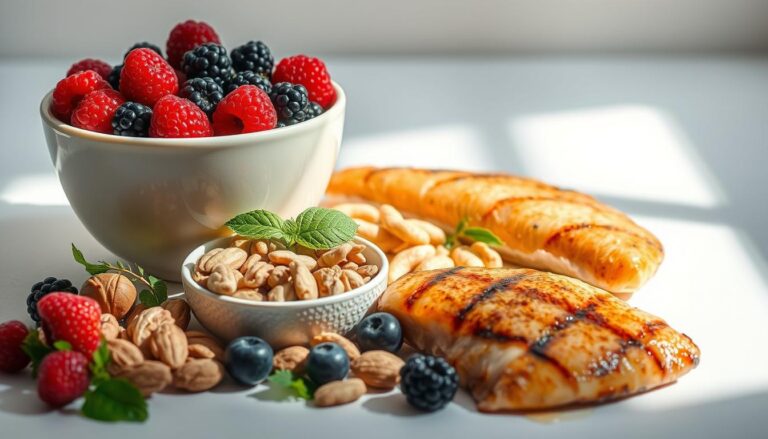
- Poultry: Chicken and turkey provide significant amounts of iron.
- Seafood: Fish like salmon and tuna, as well as shellfish such as oysters, clams, and shrimp, are rich in iron.
- Organ Meats: Liver and kidneys are particularly high in iron, though they might not be regular staples for everyone.

Plant-Based Sources of Iron
For those following a plant-based iron rich diet there are numerous options that provide non-heme iron. Although this form of iron is not as readily absorbed consuming a variety of these foods can still help meet your iron needs:
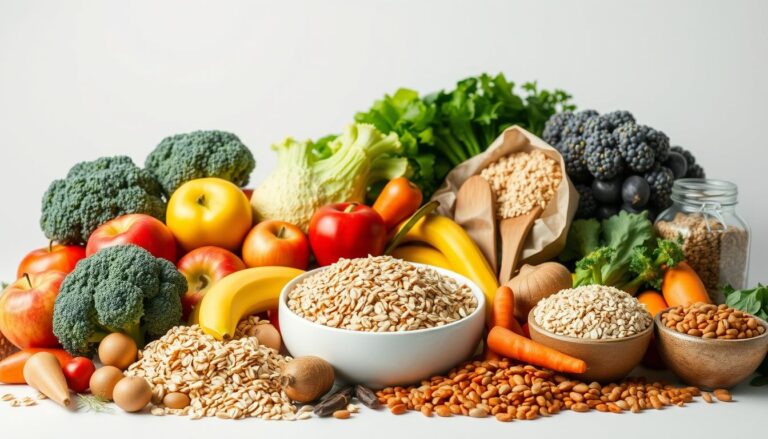
- Legumes: Lentils, chickpeas, and beans are fantastic plant sources of iron.
- Leafy Greens: Spinach kale, and Swiss chard are packed with nutrients including iron.
- Seeds and Nuts: Pumpkin seeds, sesame seeds, and cashews are great for boosting iron intake.
- Whole Grains: Quinoa, brown rice, and fortified cereals offer good amounts of iron.
Incorporating a balance of animal sources of iron and plant sources of iron into your diet can ensure you maintain optimal iron levels and support overall health.
How to Increase Iron Stores with Iron Rich Diet
For those seeking ways on how to increase iron stores, adopting an iron-rich diet is of paramount importance. Incorporating a diverse range of iron-rich foods can significantly contribute to boosting iron levels.
Animal-based sources like lean meats poultry, and fish are not only abundant in iron but are also more effectively absorbed by the body compared to plant-based sources.
In contrast, plant-based iron can be found in lentils, beans, and leafy greens like spinach. However improving iron stores from plant-based foods requires some strategic dietary planning. Combining these foods with a source of vitamin C such as citrus fruits or bell peppers can enhance iron absorption considerably.
Here are some practical tips to help you maximize iron intake through meal planning and food preparation:
- Pair Iron-Rich Foods with Vitamin C: A spinach salad with bell peppers or a side of broccoli with your steak can enhance iron absorption.
- Cook in Cast Iron Pans: Cooking acidic foods like tomato sauce in cast iron pans can increase their iron content.
- Avoid Drinking Tea or Coffee with Meals: These beverages can inhibit iron absorption when consumed alongside meals.
- Include Fortified Foods: Breakfast cereals and breads fortified with iron can be a beneficial addition to your diet.
By implementing these dietary strategies, you can improve your body’s ability to absorb and utilize iron, ensuring that your iron stores remain at healthy levels.
The Role of Iron Supplements in Boosting Iron Levels
Iron supplements play a crucial role in managing iron deficiency and maintaining optimal iron levels in the body. They are often recommended when dietary sources are insufficient to meet the body’s needs.
Types of Iron Supplements
There are various types of iron supplements available each with distinct properties. Some common options include:
- Ferrous Sulfate: Widely used and highly effective but can cause gastrointestinal side effects.
- Ferrous Gluconate: A milder alternative to ferrous sulfate with fewer side effects.
- Iron Polysaccharide: Known for minimal gastrointestinal discomfort.
Proper Dosage and Administration
The recommended iron supplement dosage depends on several factors such as age, gender, and the severity of the deficiency.
Generally adults might need between 65 to 200 mg of elemental iron per day. It’s imperative to follow medical advice strictly to avoid overdosage. Taking iron supplements on an empty stomach can enhance absorption though some people may need to take them with food to minimize stomach upset.
Potential Side Effects
While iron supplements are beneficial, they can have side effects, particularly at higher doses. Some common issues include:
- Constipation: Increasing fiber intake and staying hydrated can help manage this effect.
- Nausea: Taking supplements with a small amount of food may reduce nausea.
- Dark stools: A common occurrence and generally harmless.
It is vital to adhere to the prescribed iron supplement dosage to minimize these issues and consult healthcare professionals if severe side effects occur.
Enhancing Iron Absorption Key Tips to Remember
Enhancing iron absorption is essential for maximizing the benefits of iron-rich foods and supplements. By incorporating specific strategies, you can significantly improve your body’s ability to absorb iron. Below are some effective iron absorption tips to help you boost your iron levels.
Combining Iron with Vitamin C
One of the most effective iron absorption enhancers is to pair iron-rich foods with sources of vitamin C. Vitamin C can increase the bioavailability of non-heme iron iron from plant sources and improve overall absorption. For example adding a splash of lemon juice to spinach or consuming orange slices with breakfast cereals can greatly enhance iron absorption.
Avoiding Foods and Beverages that Inhibit Iron Absorption
To maximize iron absorption it’s important to be aware of foods and beverages that can inhibit the process. Certain substances such as tannins calcium, and polyphenols found in tea coffee dairy products, and some whole grains can hinder iron absorption. By consuming these items separately from iron-rich meals, you can ensure better iron uptake.
| Enhancing Foods | Inhibitory Foods |
|---|---|
| Oranges lemons strawberries | Coffee, tea |
| Broccoli bell peppers | Dairy products |
| Tomatoes, potatoes | Whole grains high in phytic acid |
Iron Absorption Enhancers and Inhibitors
Ensuring optimal iron absorption is vital for maintaining good health and preventing iron deficiency. While some foods enhance the body’s ability to absorb iron other substances can hinder this process. Understanding the role of various iron absorption enhancers and substances that hinder iron absorption is crucial for making dietary choices that support iron levels.
Foods that Enhance Iron Absorption
Consuming certain foods alongside iron-rich meals can significantly enhance iron absorption. Key iron absorption enhancers include:
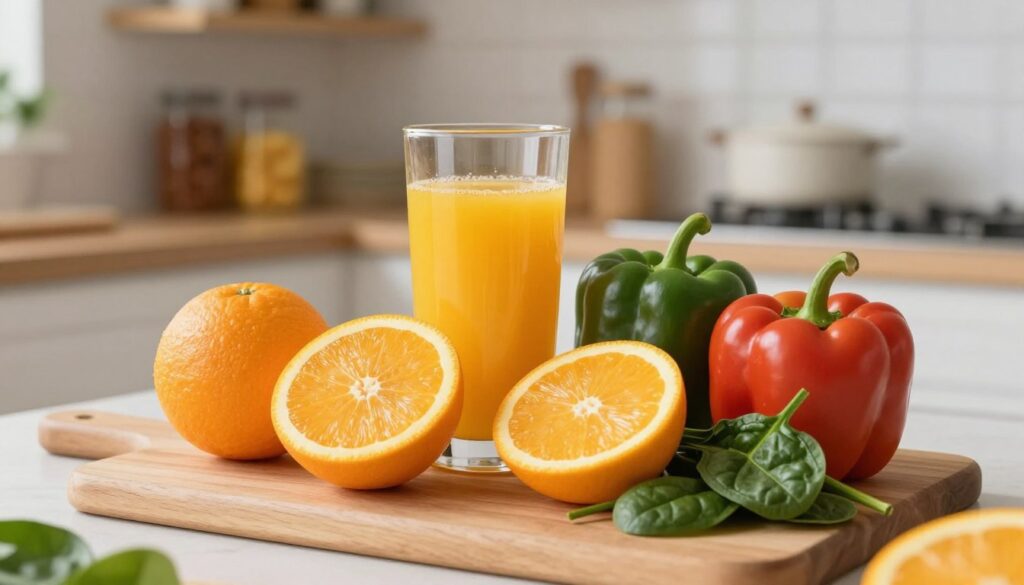
- Citrus fruits: Oranges, grapefruits, lemons, and limes are rich in vitamin C, which boosts iron absorption by converting non-heme iron into a more absorbable form.
- Bell peppers: Also high in vitamin C, they can be paired with iron-rich foods to increase absorption.
- Broccoli: Not only does it provide vitamin C, but it also contains iron, making it a double-benefit food.
- Strawberries: Their vitamin C content aids in the absorption of non-heme iron found in plant-based foods.
Substances that Hinder Iron Absorption
On the other hand, certain substances can inhibit the absorption of iron and should be managed wisely:
- Calcium: High doses of calcium can inhibit both non-heme and heme iron absorption. It is found in dairy products and fortified foods.
- Tannins: Present in tea and coffee, tannins bind with iron reducing its absorption. Limiting tea and coffee intake around meals can be beneficial.
- Phytates: Found in whole grains and legumes phytates can bind to iron and reduce its absorption.
- Polyphenols: These compounds abundant in some fruits vegetables, and beverages can also impede iron uptake.
Read more: What helps to absorb iron faster?
By strategically including iron absorption enhancers and avoiding substances that hinder iron absorption, individuals can optimize their dietary iron intake and support overall health.
Special Considerations for Vegetarians and Vegans
Ensuring adequate iron intake is vital for both vegetarians and vegans. With careful planning and mindful food choices, it is possible to meet iron needs effectively even on a plant-based diet. Vegetarians and iron as well as vegans and iron require particular attention due to the non-heme form of iron predominantly found in plant-based iron sources.
Meeting Iron Needs on a Plant-Based Diet
For vegetarians and vegans, consuming adequate iron-rich foods and combining them with enhancers like vitamin C can help boost iron absorption. It’s crucial to avoid substances that inhibit iron absorption such as calcium-rich foods during iron-rich meals. Let’s identify key strategies for meeting iron requirements on a plant-based diet:
- Consume iron-fortified cereals and bread – These can significantly contribute to daily iron intake.
- Pair iron-rich foods with vitamin C – For example, having spinach with lemon juice enhances iron absorption.
- Avoid drinking tea or coffee with meals – These beverages contain polyphenols that can hinder iron absorption.
Iron-Rich Plant-Based Foods
A variety of plant-based iron sources can be integrated into daily meals to ensure sufficient iron intake. Below is a comparative table of common iron-rich plant-based foods:
| Food Item | Iron Content mg/100g |
|---|---|
| Spinach | 2.7 |
| Lentils | 3.3 |
| Chickpeas | 6.2 |
| Tofu | 5.4 |
| Pumpkin Seeds | 8.1 |
Incorporating these plant-based iron sources regularly can help vegetarians and vegans maintain optimal iron levels. Always remember awareness and deliberate food combinations play a vital role in preventing iron deficiency while adhering to a plant-based diet.
Iron Deficiency Anemia Risk Factors and Prevention
Iron deficiency anemia can affect individuals of various ages and backgrounds. Identifying the risk factors for iron deficiency and implementing preventive measures can help maintain optimal health and reduce the chances of developing anemia.
Who is at Risk?
Understanding risk factors for iron deficiency is crucial in preventing anemia. Certain groups have a higher susceptibility to iron deficiency anemia:
- Women of childbearing age: Due to menstrual blood loss, women are at an increased risk.
- Infants and children: Rapid growth phases require more iron.
- Pregnant women: Increased blood volume and fetal needs heighten iron requirements.
- Individuals with gastrointestinal disorders: Conditions like celiac disease or Crohn’s can impair iron absorption.
- Vegetarians and vegans: Plant-based diets may lack sufficient heme iron.
Preventive Measures for Anemia
Effective strategies for preventing anemia involve a combination of dietary adjustments and proactive health practices:
Read more: Boost Iron Intake Supplements and Food Sources
- Incorporate Iron-Rich Foods: Consuming foods high in iron like lean meats, beans, and fortified cereals.
- Pair Iron with Vitamin C: Enhance absorption by eating vitamin C-rich fruits like oranges with iron-rich meals.
- Avoid Inhibitors: Limit intake of substances that interfere with iron absorption, such as coffee, tea, and calcium-rich foods, during iron-rich meals.
- Regular Screenings: Routine health checks to monitor iron levels, especially for those in high-risk groups.
By acknowledging these risk factors for iron deficiency and adopting measures for preventing anemia, individuals can significantly enhance their overall health and well-being.
When to Seek Medical Advice for Iron Deficiency
Recognizing when to seek medical advice for iron deficiency is crucial for timely intervention and effective management. Ignoring the signs of iron deficiency can lead to serious health complications.
Signs That Require Medical Attention
The signs of iron deficiency that necessitate seeking medical advice include persistent fatigue shortness of breath, and pale skin.
These symptoms indicate that your body may not have sufficient iron levels which is essential for carrying oxygen to different parts of the body. If you experience unusual weakness dizziness, or cold hands and feet it’s essential to consult a healthcare professional.
Diagnostic Tests for Iron Deficiency
Medical professionals use a variety of diagnostic tests for iron deficiency to determine iron levels. Common tests include:
- Complete Blood Count CBC: Measures different components of the blood, including hemoglobin and hematocrit levels.
- Serum Ferritin: Evaluates the amount of stored iron in the body.
- Serum Iron: Assesses the level of iron in the blood.
- Total Iron-Binding Capacity TIBC: Measures the blood’s capacity to bind and transport iron.
Consulting a healthcare provider for medical advice for iron deficiency and undergoing the appropriate diagnostic tests for iron deficiency can help tailor an effective treatment plan and address underlying causes.
Maintaining Balanced Iron Levels Long Term Strategies
Maintaining iron levels is a crucial aspect of overall health, requiring consistent attention to both diet and lifestyle. By incorporating long-term strategies for iron balance individuals can prevent deficiencies and promote optimal well-being.
One essential strategy is to regularly monitor dietary intake of iron. This involves including a variety of iron-rich foods in daily meals. Foods such as lean meats seafood beans, and leafy green vegetables are excellent sources of dietary iron. To enhance absorption, pair these foods with vitamin C-rich options like citrus fruits, berries and bell peppers.
Another effective approach to maintaining iron levels is addressing underlying health issues that may impede absorption. Conditions like celiac disease or Crohn’s disease can affect how the body absorbs nutrients from food. Regular check-ups with healthcare providers can help identify and manage such conditions.
Here are some key dietary strategies for maintaining iron levels:
- Include both heme animal-based and non-heme plant-based iron sources in your diet.
- Utilize cooking methods that maximize iron bioavailability, such as using cast iron cookware.
- Avoid consuming high-calcium foods or beverages, like dairy products, during iron-rich meals as calcium can inhibit iron absorption.
Adopting a balanced lifestyle is equally important. This includes regular physical activity staying hydrated, and managing stress levels. Physical activity helps maintain optimal body function and enhances nutrient absorption.
For consistent success in maintaining iron levels, regular monitoring is vital. This can be achieved through periodic blood tests, especially for individuals at risk of deficiency. Identifying any fluctuations early allows for timely adjustments to diet or lifestyle.
The following table outlines some influential factors for maintaining iron balance:
| Factor | Impact on Iron Levels |
|---|---|
| Dietary Iron Intake | Adequate intake ensures a steady supply of iron. |
| Vitamin C Consumption | Enhances non-heme iron absorption from plant sources. |
| Health Conditions | Can affect iron absorption and utilization. |
| Physical Activity | Supports overall health and nutrient absorption. |
By integrating these long-term strategies for iron balance individuals can effectively maintain their iron levels and promote lasting health benefits.
Conclusion
In conclusion, effectively managing your iron levels is crucial for maintaining optimal health and preventing iron deficiency.
Throughout this article, we’ve explored the multifaceted role of iron in the body how dietary choices impact iron stores, and the importance of supplements and their correct administration. Understanding the balance of iron enhancers and inhibitors plays a significant part in ensuring maximum absorption from your diet.
As we’ve highlighted, both animal-based and plant-based sources of iron can significantly contribute to your dietary iron intake making it possible to meet your nutritional needs regardless of dietary preferences. Particularly for vegetarians and vegans embracing iron-rich plant foods and being mindful of inhibitors can be crucial strategies in maintaining adequate iron levels.
Preventive measures such as recognizing risk factors and understanding when to seek medical advice are essential in addressing iron deficiency anemia. Implementing these effective tips for increasing iron can help improve your overall wellbeing.
By consistently applying these strategies to improve iron stores you can ensure a balanced and healthy life. We encourage you to take these insights to heart and proactively manage your iron levels for long-term health and vitality.