When you eat seven fruits a day have you ever wondered if that’s too much or suitable for your health?
When we follwo a healthy diet I too have wondered if eating seven fruits a day is too much and whether it impproves our health but is it too much for our bodies? Keep reading to find out.
Key Takeaways
- Assessing whether eating 7 fruits daily enhances health or exceeds nutritional needs.
- Exploring potential health impacts and benefits of high daily fruit intake.
- Understanding the balance between risk reduction for chronic diseases and sugar intake concerns.
- Evaluating daily fruit intake in the context of healthy eating habits.
- Considering expert recommendations on fruit consumption.
Understanding Daily Fruit Intake
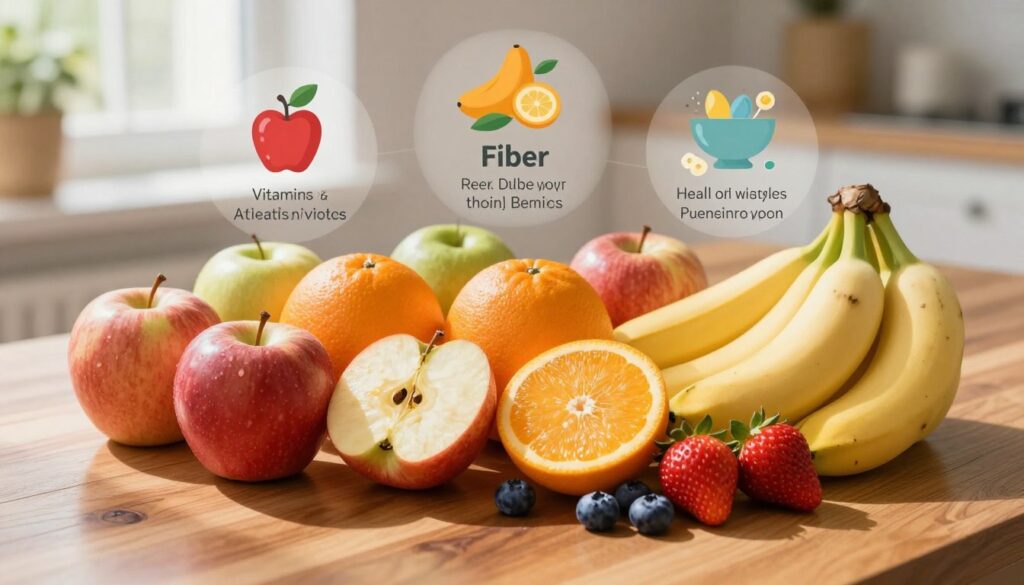
Eating fruits every day is very important. They are full of vitamins, minerals, and fiber. These nutrients help keep us healthy and feeling good. But, it’s key to know how much fruit to eat to stay balanced.
Recommended Fruit Servings
Health experts say adults should eat 1 ½ to 2 cups of fruit daily. This amount helps us get the nutrients we need without too much sugar.
General Fruit Consumption Guidelines
The amount of fruit we need can change based on our age, sex, and how active we are. It’s good to eat different fruits to get all the nutrients. Eating whole fruits instead of juice is better for fiber and sugar control.
Defining a Fruit Portion Size
Understanding fruit portion sizes is key to a healthy diet. Following nutrition guidelines helps you enjoy fruits without overdoing it. Knowing the right serving sizes and examples of different fruits is crucial.
Standard Serving Sizes
The size of a fruit serving can change based on the fruit type. Knowing these sizes helps you stick to good nutrition guidelines. For example:
- One medium-sized apple
- One large banana
- A half-cup of sliced or diced fruit, such as mangos or pineapples
- One cup of berries like blueberries or raspberries

Examples of Different Fruits by Portion
Here are some practical fruit portion sizes for your daily diet:
| Fruit | Portion Size |
|---|---|
| Apple | 1 medium about 3 inches in diameter |
| Banana | 1 large 8 – 9 inches long |
| Grapes | 1 cup about 32 grapes |
| Strawberries | 8 large berries |
| Watermelon | 1 small wedge about 1 inch thick |
Using these examples and adjusting your serving sizes can help you eat a balanced diet. This aligns with the best fruit nutrition guidelines.
Benefits of Eating Fruits Daily
Fruits are key to a healthy diet, packed with nutrients that boost overall health. Eating fruits regularly is good for many body functions and overall well-being.
Nutritional Value
Eating a variety of fruits daily gives you important nutrients like potassium, fiber, vitamin C, and folate. These help keep your body working right. For example potassium helps control blood pressure, and fiber keeps your digestion smooth.
Health Benefits
Eating fruits daily has many health perks. It helps lower heart disease risk, manage weight, and prevent chronic illnesses. Here are some key benefits:
- Lowering Blood Pressure: Eating fruits regularly can help keep blood pressure in check, thanks to their potassium.
- Heart Disease Prevention: Fruits full of vitamins and antioxidants can fight inflammation and stress, lowering heart disease risk.
- Weight Management: Fruits are low in calories but high in fiber, helping you feel full and stay at a healthy weight.
With these benefits, it’s clear why fruits should be a big part of your diet. Here’s a quick look at some nutrient-rich fruits and their health perks.
| Fruit | Key Nutrients | Health Benefits |
|---|---|---|
| Bananas | Potassium, Vitamin B6 | Supports heart health, aids digestion |
| Oranges | Vitamin C, Fiber | Boosts immune system, promotes skin health |
| Blueberries | Antioxidants, Vitamin K | Improves brain function, reduces inflammation |
Potential Risks of Excessive Fruit Consumption
Fruits are full of good nutrients, but too much can be bad. Eating too many fruits can cause health problems. This is mainly because of the high sugar and calories in them.

Read more: What are the treatments for type 2 diabetes
Sugar Content Concerns
Fruits have sugars like fructose which can add up fast. Eating too much fruit can raise blood sugar levels. This is a problem for people with diabetes or insulin resistance. Watching how much fruit you eat helps keep your blood sugar stable.
Calories and Weight Gain
Fruits are also high in calories. Eating too much fruit can lead to eating more calories overall. This makes it hard to keep your weight in check.
It’s important to eat fruits in balance with other healthy foods.
- Watch your fruit portions to avoid too much sugar.
- Mix fruits with other foods to help with weight control.
- Try different fruits to get more nutrients.
Being aware of these risks lets you enjoy fruits without health problems.
Is 7 Fruits a Day Too Much?
Many people ask if eating 7 fruits a day is too much. It’s important to find the right balance between fruit and overall nutrition.
Scientific Findings
Research shows different views on how much fruit we should eat.
Some studies say eating more fruits and veggies can lower disease risk. But, it’s key to ask if focusing only on fruits is enough for our diet.
Expert Recommendations
Health experts suggest a balanced diet. They say we should mix fruits with veggies grains proteins, and dairy. This mix ensures we get all the nutrients we need.
Here’s a table comparing what science and experts say about daily fruit intake:
| Aspect | Scientific Findings | Expert Recommendations |
|---|---|---|
| Optimal Portions | Up to 10 portions of fruits and vegetables | 2-4 servings of fruits, complemented by other food groups |
| Health Benefits | Reduces risk of chronic diseases | Overall improved health and balanced nutrition |
| Risk of Excess | Overconsumption can lead to imbalance | Regularly diversified diet |
Following fruit health guidelines helps us make the most of our diet. Eating fruits wisely as part of a balanced diet is what science and experts recommend.
Comparing Fruits vs. Fruit Juices
It’s key to know the difference between whole fruits and fruit juices for healthy eating. Many believe drinking fruit juice is like eating whole fruits. But that’s not true.
Read more: How Vegetarians Heal Their Gut and Digestion
Benefits of Whole Fruits
Whole fruits are packed with benefits for your health. They have lots of fiber which is great for digestion and keeping blood sugar stable. They also make you feel full helping you avoid overeating.
Plus, whole fruits are full of vitamins and minerals. These nutrients help keep you healthy.
Drawbacks of Fruit Juices
Fruit juices might taste good, but they have downsides. They often lack dietary fiber, which is lost when fruits are juiced.This can cause quick digestion and blood sugar spikes making you hungry fast.
Also, many fruit juices have added sugars. These can lead to weight gain and health problems.
Choosing whole fruits over juices is better for your health.
They help you feel full and provide balanced nutrition. Eating whole fruits gives you lasting energy and better health.
Fruit Consumption Advice for Different Age Groups
It’s important to know that different ages need different nutrients. Kids need fruits full of vitamins and minerals for growth.Parents should follow guidelines to make sure kids eat the right amount of fruit.
Teenagers need fruits that give them energy for their busy lives.Foods like bananas and berries are great. They offer quick energy and important vitamins.
Adults should follow dietary guidelines to keep their metabolism going and prevent diseases. Eating a variety of fruits gives them antioxidants and fiber.These help keep them healthy and balanced.
Older adults need fruits that are soft and easy to digest. Berries, melons, and sliced bananas are good choices.Eating fruits rich in antioxidants and low in sugar helps them stay healthy and manage diabetes.
Following agespecific dietary guidelines helps everyone get the most from their fruit.It ensures everyone gets the nutrients they need no matter their age.
Balancing Fruits with Other Food Groups
To stay healthy, it’s key to mix fruits with other important food groups. This mix helps avoid diet imbalances. Eating a variety of foods leads to more balanced meals and better nutrition.
Ensuring Nutritional Diversity
Getting nutritional diversity means adding different food groups to your diet. This includes fruits vegetables proteins, grains, and dairy. Each group brings unique nutrients that are vital for health.
Fruits give us vitamins and fiber. But proteins and grains give us energy and help muscles grow.
Examples of Balanced Meals
| Meal | Components | Benefits |
|---|---|---|
| Breakfast | Oatmeal with berries nuts, and a glass of milk | Provides fiber vitamins protein, and calcium for a well-rounded start to the day |
| Lunch | Grilled chicken salad with mixed greens avocado and a side of fruit | Combines protein healthy fats, and vitamins for a satisfying and nutritious meal |
| Dinner | Quinoa bowl with vegetables tofu and a fruit dessert | Offers a balance of protein complex carbs, and a sweet yet healthy finish |
| Snack | Greek yogurt with honey walnuts, and sliced apples | Balanced snack rich in protein, healthy fats, and natural sugars |
Special Diet Considerations
It’s key to weigh the good and bad of special diets. Knowing how diets affect health helps us make better choices.
Fruitarian Diets
The fruitarian diet impact can differ a lot. It focuses on eating raw fruits, but it might miss out on important nutrients. This could lead to health problems if not balanced right.
So, if you’re thinking about trying it, make sure to adjust your diet. This way, you can get all the nutrients you need.
Diabetes and Fruit Intake
People with diabetes need to watch their fruit intake closely. Fruits have natural sugars that can raise blood sugar. But, fruits are also good for you.
To manage diabetes and fruit intake, keep an eye on carbs and sugar levels in fruits. Making the right dietary modifications can help keep blood sugar stable. This way you can still enjoy fruits’ health benefits.
Tips for Incorporating Fruits into Your Diet
Adding fruits to your meals and snacks can add flavor and nutrients. Here are some easy ways to make fruits a part of your daily life. This will help you snack healthily all the time.
Simple Meal Ideas
It’s easy to add fruits to your meals. Here are a few ways to do it:
- Mix fresh berries or banana slices into your cereal or oatmeal.
- Add fruit slices to your salads for a fresh twist. Try strawberries in spinach or orange in mixed greens.
- Blend bananas, berries, and greens into a smoothie for a nutritious start.
Fruit-Based Snacks
Snacking on fruits is tasty and good for you. Here are some healthy snack ideas:
- Make a fruit platter with sliced apples, pears, and mango for a quick snack.
- Create your own fruit bars with dates, nuts, and dried fruits for a portable snack.
- Make a fruit salsa with kiwi, pineapple, and mango. Enjoy it with whole-grain tortilla chips.
By following these tips, you can make your diet healthier and more varied.
Conclusion
Knowing how much fruit to eat every day is key to a healthy diet.Eating seven fruits a day might be good for some but it depends on many things. Your diet health, and how active you are all play a part.
It’s important to think about how much fruit you should eat. You should also look at the nutritional value of different fruits. And be aware of the sugar and calories in them.
Choosing whole fruits over fruit juices is better for you.This is especially true as you get older. Making smart choices about fruit can help you stay healthy.
So, is eating seven fruits a day too much? The answer varies from person to person. The best approach is to eat a variety of fruits and balance them with other foods. Listening to experts and scientific studies can help you find the right amount of fruit for you.
Remember, finding the right diet is a personal journey. Making smart food choices is a big step towards better health.