If you’ve started incorporating turmeric into your daily diet have you ever wondered what might happen? A staple in traditional medicine and modern dietary practices turmeric holds a significant place in various cultures worldwide.
With the increasing popularity of natural remedies understanding the potential benefits and risks of daily turmeric consumption is becoming increasingly important.
From reducing inflammation to preventing chronic diseases, the turmeric health effects are vast and intriguing. This section explores the historical significance of this golden spice, setting the stage for a deep dive into its daily impact on our health. Let’s unravel the mysteries behind this ancient root and see how it could potentially transform your life when consumed regularly.
Key Takeaways
- Turmeric has been a cornerstone in traditional medicine for centuries.
- Daily consumption of turmeric can offer a range of health benefits.
- Understanding turmeric health effects is crucial for informed decisions.
- Both the benefits and risks of turmeric daily intake will be discussed.
- The historical and cultural significance of turmeric will be explored.
Introduction to Turmeric and Curcumin
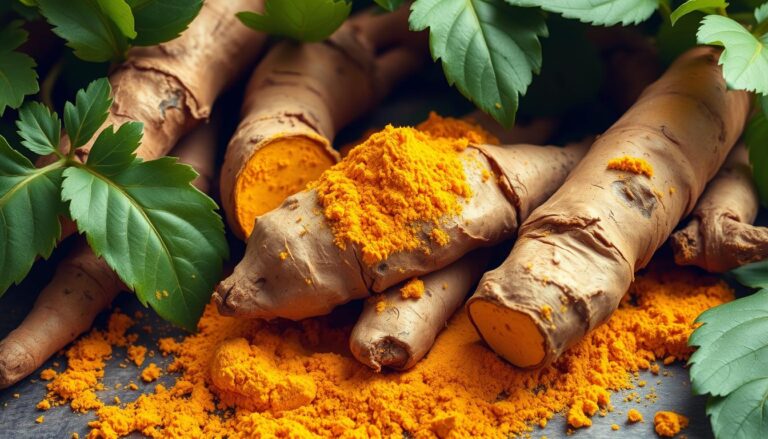
Turmeric, derived from the root of the Curcuma longa plant, is renowned for its striking golden-yellow color and a multitude of health benefits. This vibrant hue is attributed to curcumin, a bioactive compound within turmeric.
Widely used in culinary practices around the globe, turmeric offers a range of advantages, particularly in traditional Asian and Indian dishes. Beyond its culinary applications, turmeric is celebrated for its medicinal properties, enhancing wellbeing.
What is Turmeric?
Turmeric is a rhizomatous herbaceous perennial plant belonging to the ginger family. Native to Southeast Asia, it has been a staple in Ayurvedic medicine for centuries. The primary component, curcumin, is what sets turmeric apart, providing not only the vibrant color but also a plethora of turmeric benefits.
Turmeric’s use dates back to ancient times, where it was utilized not just for its flavor, but for its potential to promote health and wellness. Today, turmeric continues to be integrated into various health supplements owing to its wide array of benefits.
Curcumin: The Active Ingredient
Curcumin, the powerhouse behind turmeric’s medicinal prowess, is celebrated for its antioxidant and anti-inflammatory properties.
It is this compound that brings forth numerous curcumin health benefits, positioning turmeric as a revered spice in both traditional and modern medicinal practices.
Chemically, curcumin is a polyphenol, which contributes to its therapeutic profile. Researchers have extensively studied curcumin to understand its role in health, illustrating its significance in combating oxidative damage and inflammation.
The turmeric benefits derived from curcumin include improved joint health, better digestion, and enhanced cognitive function. Its wide-ranging effects make curcumin a valuable addition to a balanced diet, continually drawing interest from the medical community for its potential in preventive health.
Turmeric’s Anti-Inflammatory Properties
Turmeric’s anti-inflammatory properties have garnered widespread attention for their potential health benefits.
The key player behind these properties is curcumin, a compound found in turmeric that effectively inhibits molecules known to trigger inflammation. As a result, turmeric inflammation becomes a manageable condition, providing relief to those suffering from chronic diseases.
How Turmeric Reduces Inflammation
Turmeric’s ability to reduce inflammation is primarily due to curcumin’s action on various molecular pathways. Curcumin blocks the activation of NF-κB, a protein complex that plays a central role in regulating the immune response to infection.
By inhibiting this pathway, curcumin helps decrease inflammation and reduce related symptoms, offering individuals the beneficial turmeric supplement effects they seek.
Studies Supporting Anti-Inflammatory Benefits
Numerous studies support the anti-inflammatory benefits of turmeric. Research conducted by top institutions has shown that curcumin effectively reduces inflammation markers in patients with various chronic conditions.
For example, an extensive study published in the Journal of Medicinal Food highlighted turmeric’s ability to significantly reduce inflammation and improve overall health outcomes in arthritis patients. Such findings underscore the positive turmeric supplement effects sought after by many.

Conditions Benefiting From Reduced Inflammation
Several conditions benefit significantly from the anti-inflammatory properties of turmeric. These include:
- Arthritis: Regular turmeric consumption can help arthritis sufferers manage pain and swelling thanks to reduced inflammation.
- Bowel Diseases: Turmeric has shown promise in alleviating symptoms of inflammatory bowel diseases by reducing inflammation markers in the digestive tract.
- Cardiovascular Health: By lowering inflammation, turmeric may contribute to improved heart health, potentially reducing the risk of heart disease.
| Condition | Potential Benefit |
|---|---|
| Arthritis | Pain and swelling reduction |
| Bowel Diseases | Symptom relief |
| Cardiovascular Health | Lower risk of heart disease |
Antioxidant Effects of Turmeric
Turmeric continues to astound the health community with its wide range of benefits, primarily due to its potent antioxidant properties. These properties help the body to combat the harmful effects of free radicals.
Fighting Free Radicals
One of the most pronounced turmeric health benefits is its ability to fight free radicals. Curcumin, the active component in turmeric, excels at scavenging reactive oxygen species.
This means it can neutralize free radicals, preventing them from causing cellular damage. By integrating turmeric into your daily diet, you can significantly bolster your body’s defense against oxidative stress, a major contributor to chronic diseases.
Turmeric’s Role in Oxidation Prevention
Beyond neutralizing free radicals, turmeric plays a crucial role in preventing oxidation at a cellular level. Its antioxidant properties work diligently to maintain cellular integrity, which is vital for overall health and longevity.
This antioxidative action can be particularly beneficial in the prevention of medical conditions like cardiac diseases and certain forms of cancer. A daily dose of turmeric may therefore be a simple yet effective way to enhance your overall health and wellness.
What Happens When You Take Turmeric Daily?
Regular turmeric daily intake can bring about a variety of positive health effects. When turmeric is consumed every day, many users report notable improvements in their overall well-being. Here, we delve into the myriad of health transformations one might experience.
Read more: Rosemary’s Anti-Inflammatory Benefits
One of the most prominent turmeric health effects is its ability to enhance the body’s immune response. The active ingredient in turmeric, curcumin, has been shown to bolster the immune system, making it more effective in warding off illnesses. Regular intake can lead to fewer colds and infections, enabling individuals to enjoy a healthier lifestyle.
Additionally, turmeric daily intake supports gastrointestinal health. Turmeric has been historically used to alleviate digestive issues, including bloating, gas, and indigestion. Its anti-inflammatory properties help soothe the gut lining, potentially reducing symptoms associated with irritable bowel syndrome IBS and other digestive disorders.
The cardiovascular system also benefits significantly from daily turmeric consumption. By promoting heart health, turmeric can potentially lower the risk of several chronic diseases. Its effects on blood pressure, cholesterol levels, and overall heart function make it a vital addition to a heart-healthy diet.
Furthermore, turmeric’s antioxidant capabilities play a crucial role in neutralizing free radicals in the body. These free radicals can cause cellular damage, leading to aging and various health issues. Daily turmeric intake helps combat oxidative stress, contributing to healthier skin and slower aging processes.
Moreover, mental clarity and cognitive function can see marked improvements with regular turmeric consumption. Some studies have linked turmeric to enhanced memory and a reduced risk of neurodegenerative diseases such as Alzheimer’s. This highlights the potential of turmeric in maintaining long-term brain health.
Overall, the health effects stemming from daily turmeric intake are broad and impactful. It touches on various aspects of health, ensuring that individuals reap the benefits across multiple bodily systems and functions.
Impact of Turmeric on Heart Health
Current research strongly indicates that turmeric offers several cardiovascular benefits. Its anti-inflammatory and antioxidant properties are well-documented, contributing significantly to turmeric heart health. Here, we delve into its potential impacts on heart disease, cholesterol levels, and blood pressure management.
Reduction of Heart Disease Risk
Turmeric’s active compound, curcumin, has been studied for its role in reducing the risk of heart disease. By inhibiting inflammation and oxidative stress, turmeric can support the overall health of the cardiovascular system.
In addition, some studies suggest that curcumin enhances the function of the endothelium, which is the lining of blood vessels. This improvement helps regulate blood pressure, blood clotting, and other essential factors crucial in reducing heart disease risk.
Effects on Cholesterol Levels
Turmeric’s influence on cholesterol levels has gained considerable attention. Research indicates that turmeric can lower low-density lipoprotein LDL levels, commonly known as bad cholesterol, while simultaneously elevating high-density lipoprotein HDL levels or good cholesterol.
These changes are crucial for maintaining heart health and preventing the buildup of plaques in the arteries, a condition known as atherosclerosis. Regular consumption can thus support turmeric cholesterol management effectively.
Blood Pressure Management
Blood pressure plays a critical role in overall heart health. Turmeric has been found to help in managing blood pressure due to its anti-inflammatory properties.
By promoting the dilation of blood vessels, turmeric can contribute to lowering high blood pressure, a significant risk factor for cardiovascular diseases. Including turmeric in a daily diet can thus offer a natural approach to heart health.
Turmeric and Cognitive Function
Emerging research highlights the potential of turmeric in supporting cognitive function and memory. The active compound in turmeric, curcumin, is praised for its anti-inflammatory and antioxidant properties, which can play a vital role in brain health.

The Link Between Turmeric and Memory
Studies have shown that regular intake of turmeric can enhance cognitive performance, particularly in areas related to memory and focus. The turmeric cognitive benefits are primarily attributed to curcumin’s ability to reduce inflammation in the brain, thus improving overall neural function.
Additionally, the antioxidant properties of turmeric help to combat oxidative stress, which is known to impair cognitive abilities.
Potential in Alzheimer’s Disease Prevention
The potential for turmeric Alzheimer’s prevention has garnered significant attention in recent years. Alzheimer’s disease, characterized by severe cognitive decline, is associated with chronic inflammation and oxidative damage in the brain.
Curcumin in turmeric is believed to counteract these effects by reducing amyloid plaque formation and supporting overall brain health. While more research is needed, the current findings are promising and suggest that turmeric could be a valuable natural intervention in preventing Alzheimer’s disease.
Potential Side Effects of Daily Turmeric Intake
While turmeric offers numerous health benefits, it’s crucial to be aware of its potential side effects. Despite the appeal of this golden spice, daily intake might lead to some adverse reactions.
Gastrointestinal Issues
Regular consumption of turmeric can sometimes result in gastrointestinal discomfort. Symptoms such as stomach upset, nausea, or even diarrhea have been reported. Individuals sensitive to spices should introduce turmeric into their diet gradually to monitor how their body reacts.
Interaction with Medications
An important consideration involves the interaction between turmeric and medications. Specifically, turmeric might interact with blood thinners like warfarin or aspirin, potentially increasing the risk of bleeding. It’s crucial for those on medication to consult their healthcare provider before adding turmeric supplements to their daily regimen.
Allergic Reactions
Allergic reactions to turmeric, although rare, can occur. Symptoms may include skin rashes or itching. Asthmatic reactions can also arise due to inhalation of turmeric powder. Should any allergic symptoms appear, it’s advisable to discontinue use and seek medical advice.
Recommended Turmeric Dosage
Understanding the appropriate turmeric dosage is crucial for maximizing its benefits while minimizing potential side effects. It’s important to tailor the intake based on individual health needs and conditions.
Optimal Daily Intake
The optimal daily intake of turmeric can vary. For general health, the commonly recommended turmeric dosage ranges from 500 to 2000 mg of turmeric extract per day. This dosage typically contains about 95% curcuminoids, the active compounds in turmeric.
More specifically, the turmeric supplement dosage largely depends on the form of supplement taken:
- Curcumin extracts: It’s ideal to intake about 500 mg per day.
- Powdered turmeric spice: A quarter to half a teaspoon about 1-3 grams can be added to meals.
How to Incorporate Turmeric into Your Diet
Incorporating turmeric into your daily routine can be both practical and enjoyable. Here are some effective ways to integrate turmeric and reap its full benefits:
- Cooking: Add turmeric powder to soups, stews, and curries.
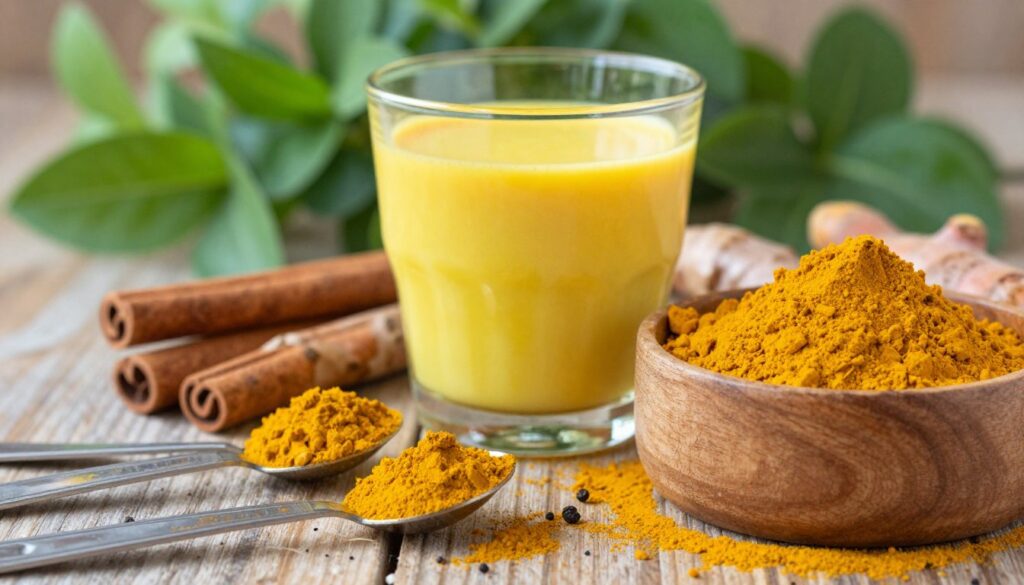
- Golden Milk: Mix turmeric powder with milk or a plant-based alternative, adding a sweetener if desired.
- Turmeric Tea: Brew a hot tea using turmeric powder, ginger, lemon, and honey.
- Supplements: For a controlled turmeric supplement dosage, opt for capsules or tablets sold by reliable brands like Nature Made or NOW Foods.
Research on Turmeric’s Cancer Prevention Properties
Scientific evidence supporting turmeric’s potential in cancer prevention has been steadily increasing. Central to this turmeric research is curcumin, the compound that gives turmeric its bright yellow hue.
Inhibition of Cancer Cell Growth
One of the most promising aspects of turmeric cancer prevention is its capacity to inhibit the growth of cancer cells. Studies indicate that curcumin can interfere with multiple cell signaling pathways, leading to the suppression of tumor initiation, promotion, and metastasis. By disrupting cancer cell proliferation and inducing apoptosis, curcumin showcases a robust antitumor effect.
Digestive System Cancers
Particularly noteworthy is turmeric’s role in combating digestive system cancers. The digestive tract, constantly exposed to various dietary and environmental carcinogens, can greatly benefit from curcumin’s protective properties.
Research has demonstrated curcumin’s effectiveness in slowing the progression of cancers such as colorectal, gastric, and pancreatic cancer. Its anti-inflammatory and antioxidant actions contribute to reducing the risk and growth of these malignancies within the digestive system.
This extensive turmeric research underscores the potential of turmeric cancer prevention as a complementary tool in traditional cancer treatment regimens, offering a natural, accessible means of enhancing cancer defense.
Conclusion
The exploration of daily turmeric intake reveals a multitude of health benefits, making it a highly valuable addition to your wellness routine. From its powerful anti-inflammatory properties to its role in combating oxidative stress, turmeric and its active ingredient, curcumin, stand as potent allies for those seeking enhanced overall health.
Regular consumption may offer protection against chronic conditions such as heart disease, Alzheimer’s, and certain cancers, thus emphasizing the clear advantages of integrating turmeric wellness into your lifestyle.
However, it’s important to consider the potential side effects and interactions turmeric may have with medications. Gastrointestinal discomfort, allergic reactions, and interference with specific drugs can occur, so understanding the recommended turmeric dosage is crucial to avoid adverse effects. Consulting with a healthcare professional can help tailor the use of turmeric to your individual health profile, ensuring maximum benefit with minimal risk.
In conclusion, while the curcumin health benefits are substantial, the key to effective use lies in informed and careful integration into your daily regimen. By doing so, you can harness the full therapeutic potential of turmeric, contributing significantly to long-term wellness and improved quality of life.