I imagine you’ve wondered why some people accumulate excess fat around their waist without it affecting their lives while others face serious health risks.
Did you know that visceral fat accumulation in the abdomen isn’t just unsightly it’s closely linked to numerous health complivations? Rreading this article to understand the cause of visceral fat is essential for addressing this hidden danger.
Key Takeaways
- Visceral fat surrounds internal organs, impacting overall health.
- Poor diet and lack of physical activity are significant contributors.
- Excessive alcohol consumption is a key factor in abdominal obesity.
- High stress levels and sleep deprivation can increase visceral fat.
- Genetics and hormonal changes also play a crucial role.
Understanding Visceral Fat
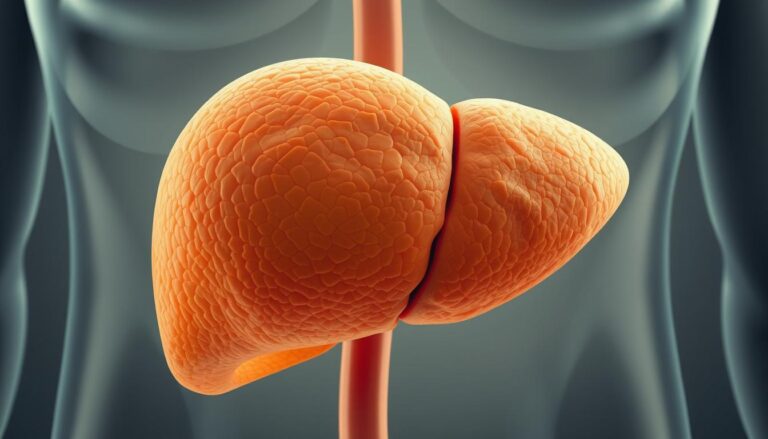
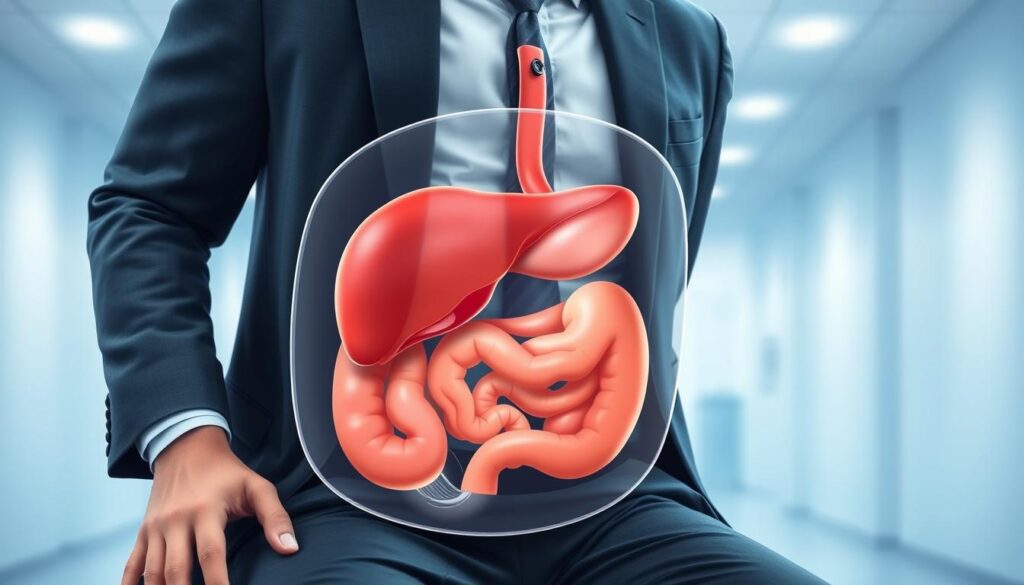
Visceral fat is a type of body fat that is stored deep within the abdominal cavity padding the spaces between organs like the liver pancreas, and intestines. This differs significantly from subcutaneous fat which lies just beneath the skin. Understanding the differences in visceral fat vs subcutaneous fat is crucial because they have different impacts on health.
The risks of visceral fat extend beyond merely altering physical appearance. This type of fat is known for its role in various health issues producing chemicals and hormones that can significantly affect the body. For instance it can lead to metabolic disruptions and increased inflammation both of which are associated with a higher risk of chronic diseases.
One of the key reasons why visceral fat is so dangerous is its activity in the body. Unlike subcutaneous fat which serves primarily as an energy reserve, visceral fat actively produces substances that can influence overall body function. This exacerbates the risks of visceral fat, as it is closely linked with serious health concerns such as heart disease diabetes, and other metabolic syndromes.
To better understand the differences and implications of visceral fat vs subcutaneous fat see the comparison table below:
| Characteristic | Visceral Fat | Subcutaneous Fat |
|---|---|---|
| Location | Deep within the abdominal cavity | Beneath the skin |
| Health Risks | High (metabolic syndrome, cardiovascular diseases) | Lower compared to visceral fat |
| Activity | Produces harmful hormones and chemicals | Primarily energy storage |
| Impact on Appearance | Does not affect skin appearance | Can be pinched and measured |
Knowledge about visceral fat and health issues is essential for adopting healthier lifestyle habits and mitigating the risks associated with this type of fat. It is vital to incorporate regular physical activity and maintain a balanced diet to manage and reduce visceral fat effectively.
The Impact of Poor Diet on Visceral Fat
Understanding the relationship between diet and visceral fat is crucial in addressing overall health. A poor diet can significantly contribute to the growth of visceral fat leading to various health complications. Key factors in a visceral fat diet involve avoiding certain types of foods that promote fat accumulation.
High Calorie, Low Nutrient Foods
Consuming foods that are high in calories but low in nutrients can rapidly lead to an increase in visceral fat. These foods often contain excessive amounts of sugar fats, and additives, which provide minimal nutritional value but contribute significantly to calorie intake.
Examples of such foods often include:
- Sugary drinks
- Pastries and cakes
- Fast food items
- Snack foods like chips and candy
A visceral fat diet should emphasize nutrient-dense foods that support overall health while minimizing the intake of empty calories.
Trans Fats and Processed Foods
Trans fats and processed foods are notorious for their negative impact on health, particularly concerning belly fat prevention techniques. These types of fats not only contribute to weight gain but also increase the risk of inflammation and insulin resistance both of which are linked to higher visceral fat levels.
Common sources of trans fats and heavily processed foods include:
- Margarine and shortening
- Packaged snacks
- Fried fast foods
- Processed meats such as sausages and hot dogs
Incorporating healthier alternatives and focusing on whole unprocessed foods will aid in effectively managing visceral fat levels and supporting overall wellness.
| High Calorie Low Nutrient Foods | Trans Fats and Processed Foods |
|---|---|
| Sugary drinks | Margarine |
| Pastries and cakes | Packaged snacks |
| Fast food items | Fried foods |
| Snack foods like chips and candy | Processed meats |
Lack of Physical Activity
Physical inactivity is a significant factor in the accumulation of visceral fat. It negatively impacts energy balance and encourages fat accumulation, particularly around the abdomen. Engaging in regular visceral fat exercises is crucial to counteract this effect.
The Role of Exercise in Preventing Belly Fat
Exercise plays a pivotal role in preventing and reducing visceral fat. Aerobic activities like jogging, swimming, and cycling are particularly effective.
These workouts not only burn calories but also improve cardiovascular and metabolic health. Furthermore strength training builds muscle mass, which boosts the body’s metabolic rate assisting in the reduction of visceral fat.

Guidelines for Physical Activity
According to the Centers for Disease Control and Prevention CDC adults should aim for at least 150 minutes of moderate intensity aerobic activity, such as brisk walking each week.
This can be paired with muscle strengthening activities on two or more days per week for optimal results. Following these guidelines can significantly contribute to your efforts on how to reduce visceral fat.
Excessive Alcohol Consumption
Regular and excessive intake of alcohol has been directly linked to an increase in visceral fat. Alcohol is calorie rich and can adversely affect hormone levels that regulate fat storage thereby facilitating the accumulation of fat around critical organs. This visceral fat health impact significantly increases health risks.
Overconsumption of alcoholic beverages can disrupt the body’s metabolic processes making the task of burning fat more challenging. The body prioritizes metabolizing alcohol over other nutrients delaying the breakdown of fats and carbohydrates. For achieving effective visceral fat burning techniques limiting alcohol intake becomes an essential strategy.
The hidden calories in alcohol can often lead to weight gain as they are easily stored as fat, primarily around the abdomen. Additionally excessive drinking can diminish one’s ability to make healthy dietary choices. This negative impact on diet choices further compounds the visceral fat health impacts associated with alcohol consumption.
Understanding these processes illustrates why moderating alcohol intake is key to adopting successful visceral fat burning techniques. By reducing alcohol consumption individuals can better manage their weight and reduce the accumulation of visceral fat fostering improved overall health and wellness.
Stress and Cortisol Levels
The body’s response to stress can significantly impact visceral fat accumulation. Cortisol, often referred to as the stress hormone is a pivotal factor in this process. Elevated levels of cortisol can lead to an increase in abdominal fat storage, emphasizing the importance of managing stress efficiently to mitigate the risks of visceral fat.
Understanding Cortisol
Cortisol is produced by the adrenal glands in response to stress, playing a crucial role in various bodily functions. When stress levels are consistently high cortisol remains elevated which can lead to the redistribution of fat to the abdominal area. This increase in belly fat not only contributes to the risks of visceral fat but also brings about a host of other health issues.
Stress-Reduction Techniques
Implementing effective belly fat prevention techniques is essential for managing cortisol levels. Some proven methods include:
- Yoga: Engaging in regular yoga practice can help lower stress and cortisol levels promoting overall well-being.
- Meditation: Daily meditation sessions can significantly reduce stress allowing the body to maintain balanced cortisol levels.
- Proper Sleep: Ensuring adequate and uninterrupted sleep is critical for mitigating the effects of stress and reducing visceral fat.
By integrating these stress-reduction techniques into daily routines individuals can better manage cortisol levels reducing the risks of visceral fat accumulation and promoting a healthier lifestyle.
Genetics and Hormonal Factors
Our genetic makeup plays a critical role in how and where our bodies store fat. Similarly hormonal fluctuations can significantly influence the accumulation of visceral fat. Understanding these factors can help in identifying individuals who may be at higher risk for visceral fat health impacts.
Genetic Predisposition
Genetics can largely dictate an individual’s propensity to store fat in the abdominal area. Research has shown that certain genes are linked with a higher likelihood of visceral fat accumulation which could lead to various visceral fat health issues. For instance a family history of obesity can predispose someone to similar health traits.
Hormonal Changes
Hormonal imbalances and changes can also be substantial contributors to the development of visceral fat. Conditions like menopause lead to decreases in estrogen levels which can cause an increase in abdominal fat. Similarly diseases such as hypothyroidism disrupt normal hormonal functions, enhancing the likelihood of gaining visceral fat and encountering ensuing health impacts.
| Factor | Impact on Visceral Fat | Health Issues |
|---|---|---|
| Genetic Predisposition | Higher likelihood of abdominal fat storage | Increased risk for obesity-related conditions |
| Hormonal Changes | Hormone imbalances leading to fat gain | Higher incidence of metabolic disorders |
Sleep Deprivation
Getting insufficient sleep is strongly linked with higher levels of visceral fat. Poor sleep affects hormonal balance particularly impacting appetite regulation and fat storage. Thus enhancing sleep quality is crucial for visceral fat loss tips and overall health improvement.
The Link Between Sleep and Weight Gain
Chronic sleep deprivation affects hormones like ghrelin and leptin, which control hunger and satiety. Elevated ghrelin and reduced leptin levels can drive overeating thus triggering visceral fat accumulation. Furthermore lack of sleep may lead to higher levels of cortisol a hormone linked to increased belly fat.
Improving Sleep Quality
To combat the effects of sleep deprivation, several strategies can be implemented for better sleep quality. Here are a few effective visceral fat loss tips through quality sleep:
- Maintain a consistent sleep schedule by going to bed and waking up at the same time every day.
- Create a relaxing bedtime routine, free from screens and stimulating activities.
- Ensure your sleep environment is quiet, dark, and cool.
- Avoid heavy meals caffeine, and alcohol before bedtime.
- Engage in regular physical activity which has been proven to enhance sleep quality.
By following these simple steps, you can significantly improve your sleep quality, thereby aiding in how to reduce visceral fat and promoting overall well being.
Smoking as a Risk Factor
Contrary to popular belief, smoking does not contribute to weight loss in a beneficial way. While some smokers may have a lower body mass index BMI smoking is directly associated with an increase in abdominal and visceral fat. This correlation underlines that smoking can elevate the risks of visceral fat despite a potentially leaner appearance.
One reason for this is nicotine’s impact on the body’s metabolic rate and fat distribution. Nicotine increases the body’s concentration of harmful substances which in turn contributes to higher fat storage around the abdomen.
It is crucial to underscore that even though smoking may seem to suppress appetite temporarily it significantly disrupts healthy metabolic functions. Therefore ensuring belly fat prevention techniques includes not only a healthy diet but also the cessations of smoking.
Aligning with effective belly fat prevention techniques involves addressing the underlying factors contributing to visceral fat accumulation. Hence quitting smoking is a critical step. The decision to quit smoking can drastically reduce the long term risks of visceral fat leading to improved overall health and a reduced likelihood of related complications such as cardiovascular diseases and metabolic syndrome.
7 Reasons for Visceral Fat Accumulation in Your Abdomen
Understanding the key reasons for visceral fat accumulation in your abdomen is essential for addressing visceral fat and health issues. This article highlights the primary factors contributing to the accumulation of this harmful fat.
A prominent cause of visceral fat accumulation is a poor diet. Consuming high calorie low-nutrient foods as well as trans fats and processed foods can lead to increased fat deposits around the abdomen.
Read more: The Fastest Way to Get Rid of Belly Fat
Another critical contributor is a lack of physical activity. Regular exercise plays a significant role in preventing visceral fat accumulation, and insufficient activity can exacerbate the issue.
Excessive alcohol consumption is also a key factor that promotes visceral fat accumulation. Alcohol contains high amounts of empty calories leading to weight gain particularly in the abdominal area.
Stress and cortisol levels are other crucial elements. Elevated cortisol levels due to chronic stress can promote fat deposition in the abdomen.
Genetics and hormonal factors, including genetic predisposition and hormonal changes can significantly influence the distribution of visceral fat in the body.
Inadequate sleep, characterized by disrupted sleep patterns and insufficient sleep duration, can also lead to weight gain and an increase in abdominal fat. Improving sleep quality is essential for mitigating this risk.
Lastly, smoking is a well-known risk factor for numerous health issues, including increased visceral fat. Quitting smoking can significantly improve overall health and reduce the risk of accumulating abdominal fat.
Health Risks Associated with Visceral Fat
Visceral fat refers to the fat stored around internal organs within the abdominal cavity. While often overlooked the visceral fat health impacts can be substantial making it essential to understand the risks associated with this type of fat.
Cardiovascular Issues
One of the most severe visceral fat health impacts is its link to cardiovascular disease. Excess visceral fat increases inflammation and can lead to atherosclerosis where arteries become clogged by fatty deposits. This condition is a major cause of heart attacks and strokes.
Metabolic Syndrome
Metabolic syndrome is another critical concern connected to high levels of visceral fat. This syndrome includes a cluster of conditions such as high blood pressure high blood sugar abnormal cholesterol levels, and increased waist circumference. These factors significantly raise the risk of heart disease stroke, and diabetes.
Other Health Complications
Beyond cardiovascular issues and metabolic syndrome, visceral fat also leads to other health complications. It is associated with the development of type 2 diabetes and chronic inflammation. Moreover increased levels of visceral fat have been linked to certain cancers and liver diseases, emphasizing the need for accurate visceral fat measurement and effective management strategies.
How to Measure Visceral Fat
Visceral fat is a critical health indicator that requires accurate measurement for effective management. One common method for visceral fat measurement is assessing waist circumference. This method involves using a tape measure to evaluate the waist size, providing a rough estimate of abdominal fat.
For more precise results, imaging techniques such as CT Computed Tomography and MRI (Magnetic Resonance Imaging) are highly effective. These advanced imaging methods provide detailed visuals and exact measurements allowing healthcare professionals to get an accurate picture of visceral fat levels.
Another practical approach is bioelectrical impedance analysis BIA a method that calculates body composition including visceral fat percentage by measuring the resistance of body tissues to electrical signals.
| Method | Description | Accuracy |
|---|---|---|
| Waist Circumference | Simple tape measure to gauge abdominal size | Moderate |
| CT Scan | Advanced imaging to visualize fat distribution | High |
| MRI | Detailed imaging without radiation | Very High |
| Bioelectrical Impedance Analysis | Measures body composition and fat percentage | Moderate to High |
Understanding how to measure visceral fat accurately is crucial for identifying potential health risks and developing strategies for how to reduce visceral fat effectively. Each method offers different levels of precision and accessibility, making it important to choose the right one based on individual needs and resources.
Effective Methods to Reduce Visceral Fat
Reducing visceral fat effectively involves a comprehensive approach that encompasses dietary changes, exercise routines, and lifestyle adjustments. This section will delve into practical and actionable visceral fat loss tips to help you achieve a healthier body composition.

Read more: Find the Best Diet for Sustainable Fat Loss
Dietary Changes
Adopting a healthy visceral fat diet is crucial for targeting abdominal fat. Focus on incorporating whole foods such as fruits vegetables lean proteins, and whole grains into your daily meals. Reducing the intake of trans fats and processed foods can make a significant difference. Additionally maintaining a calorie deficit can help in managing weight and reducing visceral fat.
Exercise Routines
Engaging in regular visceral fat exercises plays a pivotal role in burning abdominal fat. Cardiovascular activities like running, swimming, and cycling are highly effective.
Incorporating strength training into your weekly routine can build muscle mass which helps in boosting metabolism. Aim for at least 150 minutes of moderate intensity exercise each week coupled with muscle-strengthening activities on two or more days a week.
Lifestyle Adjustments
Beyond diet and exercise making holistic lifestyle changes can aid in reducing visceral fat. Minimizing alcohol consumption and quitting smoking significantly contribute to overall health. Additionally, managing stress through mindfulness practices and ensuring adequate sleep are pivotal steps in maintaining a balanced hormonal environment conducive to fat loss.
Conclusion
Addressing visceral fat requires a multifaceted approach centered on dietary, physical, and lifestyle adjustments.
Understanding the various causes of visceral fat accumulation from poor dietary choices and lack of physical activity to hormonal factors and sleep deprivation is crucial in formulating effective strategies.
By making informed choices about nutrition incorporating regular exercise, and managing stress effectively, you can significantly reduce visceral fat and improve overall health.
Health risks associated with visceral fat, such as cardiovascular issues and metabolic syndrome highlight the importance of proactive management.
By adopting healthy habits like quitting smoking limiting alcohol consumption, and ensuring quality sleep individuals can minimize health complications linked to excessive visceral fat. Education and awareness play vital roles in this process, empowering individuals to take control of their health outcomes.
Ultimately, knowing how to reduce visceral fat involves various actionable steps and sustaining them over time for long-term benefits. Incorporating visceral fat burning techniques into your daily routine can lead to improved metabolic health and decreased risk of chronic conditions. With dedicated effort and a well-rounded approach, achieving a healthier lifestyle and reduced visceral fat is within reach.