Have you ever considered that the real reason behind your belly fat accumulation might be your willpower or rather the quick fix advice you constantly hear?
Try doing some research and you’ll find pills drinks powders and repeated promises. But Rush Center experts Dr. Rasa Kazlawskaite and Dr. Sheila Dugan emphasize the same point there is no magic solution. If you struggle with belly fat and want to get rid of it permanently it requires ongoing lifestyle changes.
For good means looking past sit-ups and quick fixes. Mayo Clinic notes that belly fat loss takes effort and patience, and that slow steady weight loss is more likely to stay off. That’s why the proven methods to eliminate belly fat focus on daily habits you can repeat.
In the sections ahead, you’ll get clear belly fat loss tips built around the basics that work: caloric balance a healthy eating pattern with plants and lean protein, smart fats, and consistent training that mixes aerobic work with strength. You’ll also see why sleep stress, and cravings can make or break results and how to handle each one without extremes.
Key Takeaways
- There is no single hack how to actually get rid of belly fat depends on repeatable habits.
- Rush physicians Rasa Kazlauskaite, MD, and Sheila Dugan, MD, warn against pills, powders, and gimmicks.
- Mayo Clinic supports slow, steady progress to help keep belly fat from returning.
- Proven methods to eliminate belly fat include nutrition movement sleep, and stress control.
- Belly fat loss tips work best when you combine cardio, strength training, and a realistic plan.
- Craving control matters as much as workouts for long-term results.
The Dangers of Excess Belly Fat
Belly fat can be easy to ignore until it starts to affect how you feel day to day. A growing waistline often signals deeper changes in metabolism blood sugar control, and inflammation. That’s why effective belly fat removal techniques aren’t just about looking lean they’re about lowering risk where it counts.
To get a quick read on risk, use a soft tape measure on bare skin just above the hipbone. Keep it level, snug not tight relax, and exhale no sucking in. For many women a waist above 35 inches 89 cm can point to an unhealthy level of belly fat.
Health Risks Associated with Visceral Fat
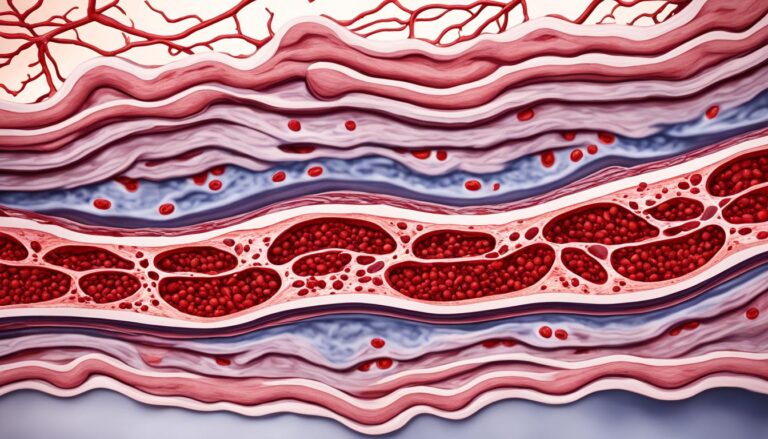
Visceral fat sits deep in the abdomen close to vital organs. This location matters because it can drive insulin resistance and raise inflammatory signals throughout the body. The result can show up as high blood pressure unhealthy blood fat levels, or rising fasting glucose.
Medical groups like Mayo Clinic connect excess belly fat with higher risk of heart disease type 2 diabetes stroke sleep apnea fatty liver disease, and certain cancers. This is where expert advice for abdominal fat loss becomes practical health planning, not just fitness talk.
Understanding the Different Types of Belly Fat
Not all belly fat behaves the same, and the pinch test only tells part of the story. Subcutaneous fat is the soft layer under the skin while visceral fat packs around organs. Rush University also highlights intramuscular fat which sits within skeletal muscle and can affect how the body uses energy.
| Type of fat | Where it’s found | What you may notice | Why it matters |
|---|---|---|---|
| Subcutaneous fat | Just under the skin | Soft tissue you can pinch at the waist | Can still affect health, but tends to be less risky than deep abdominal fat |
| Visceral fat | Deep in the abdomen around organs | Firmer belly; waist size rises even without a big pinch | Linked with higher cardiometabolic risk due to organ proximity and inflammation |
| Intramuscular fat | Within skeletal muscle | Not visible; tied to low activity and poor muscle conditioning | May relate to reduced insulin sensitivity and weaker metabolic health |
Why Belly Fat Matters Beyond Aesthetics
A tighter waistband can be annoying, but the bigger issue is what’s happening under it. Visceral fat can affect liver function blood vessel health, and how the body responds to insulin. That’s why strategies for eliminating stubborn belly fat should aim to shrink waist size and improve key markers like blood pressure and blood sugar.
Even small shifts help when they’re consistent. Building meals around protein and fiber, moving more through the day, and protecting sleep can support safer fat loss over time. When those habits stack up expert advice for abdominal fat loss turns into routines you can actually keep.
Genetics Age and Weight Gain: The Belly Fat Connection
Belly fat often follows a pattern. Your genes, age, and calorie intake play big roles. Knowing this helps you tackle belly fat more effectively.
Many people struggle to lose belly fat naturally. They blame willpower but biology and habits are key. Using proven methods can help.
How Genetics Influence Belly Fat
Genes can affect your weight and where you store fat. For some this means more belly fat. This is why two people eating the same may look different.
Genetics isn’t a life sentence. But it can set a baseline. If belly fat runs in your family you might need a clear plan for food exercise, and rest.
The Role of Age and Hormonal Changes in Accumulating Belly Fat
As you age you lose muscle. Muscle helps burn calories even when you’re not moving. This can lead to more belly fat over time.
Hormones also play a part. Women often notice more belly fat after menopause. This is due to lower estrogen and changes in fat storage. Men may also lose muscle in their 40s, leading to a spare tire.
These changes don’t mean you can’t make progress. But they do change the equation. Strength training, daily steps, and better sleep can help. These can be effective ways to lose belly fat while keeping muscle.
The Impact of Daily Caloric Balance on Belly Fat
Mayo Clinic says calories in calories out plus age and genetics drive weight. If you eat more than you burn, your body stores the extra as fat. This often shows up around the waist even with healthy foods.
To lose belly fat naturally, focus on the basics. Eat protein high-fiber foods and avoid too many liquid calories. Also, keep moving regularly. These steps are simple but key to losing belly fat.
| Driver | What it changes | Common belly-fat pattern | Practical lever to use |
|---|---|---|---|
| Genetics | Fat storage tendency and appetite signals | More fat stored around the waist despite similar routines | Plan meals and snacks ahead keep protein and fiber steady |
| Age-related muscle loss | Resting calorie burn and strength | Slow creep in waist size with the same eating habits | Lift weights 2–4 times per week keep daily steps consistent |
| Hormonal shifts including menopause | Where fat is stored and how hungry you feel | More abdominal fat even without major weight gain | Prioritize sleep timing; manage stress; keep training regular |
| Daily caloric balance | Total stored energy over weeks and months | Waistline increases when intake stays above burn | Track portions for 1–2 weeks reduce sugary drinks add high-volume foods |
When you understand these factors your goal becomes clearer. Make small repeatable choices that work with your biology. Over time, this is how you can effectively lose belly fat in real life.
How to Actually Get Rid of Belly Fat
The best ways to lose belly fat are simple and work in real life. Visceral fat responds to a steady calorie deficit, better food, and regular exercise. There’s no quick fix for just the belly.
Instead of aiming for a flat stomach fast focus on habits you can keep up. Think of it as building skills, not punishment. Practical techniques help you stick with them longer.
Setting Realistic Goals for Belly Fat Loss
Start with slow steady weight loss. Aim for a small change you can keep then add more. This could be eating more protein or walking after dinner.
Focus on what you can control. Waist size and energy levels tell a clearer story than the scale.
- Choose one main goal like a weekly step total and one nutrition goal like fiber at lunch.
- Track your waist at the same time of day once a week not daily.
- Skip the 100 crunches mindset core work builds strength but it doesn’t erase fat on its own.
| Goal Type | Example You Can Do This Week | Why It Works for Ways to Trim Belly Fat |
|---|---|---|
| Nutrition consistency | Build two meals a day around lean protein and high-fiber plants | Helps control hunger and supports a calorie deficit without feeling deprived |
| Daily movement | 8,000–10,000 steps most days | Raises total activity and supports fat loss even on non-gym days |
| Strength training | 2–3 full-body sessions per week | Preserves muscle while dieting improving body composition over time |
| Waist-focused tracking | Weekly waist measurement plus progress photos every 4 weeks | Shows change even when water weight hides it on the scale |
The Role of Consistency and Patience in Fat Reduction
The best ways to lose belly fat are the ones you can keep up for months. A few perfect days won’t matter if the next week falls apart. Consistency turns smart choices into results.
Patience is key because belly fat often takes time to shift, especially under stress or poor sleep. Keep your routine steady adjust one thing at a time, and give your body time to respond. If you’re stuck or unsure, ask a health care provider or a qualified fitness trainer for help.
Over time, these methods add up: fewer processed snacks, more protein and fiber planned workouts, and daily movement. It’s not about motivation it’s about making small lasting changes.
Dietary Changes to Combat Belly Fat
Start losing belly fat with small changes in your diet. Eat more whole foods and less packaged snacks. Aim for steady meals that keep hunger away.
Choose meals that are filling but not heavy. Foods high in fiber, protein, and smart portions help. They keep you in a calorie range that aids in fat loss.
Healthy Eating Habits to Adopt
Eat more plants like vegetables, fruit, and whole grains. Add lean protein like fish or low-fat dairy. Limit processed meats and saturated fats.
Watch your portion sizes even with healthy foods. Use smaller bowls at home and share meals at restaurants. This helps control calorie intake.
Start your meals with vegetables. Begin with a veggie soup or a big side of seasoned vegetables. Try to have vegetables make up at least half your plate.
Specific Foods That Help Burn Belly Fat
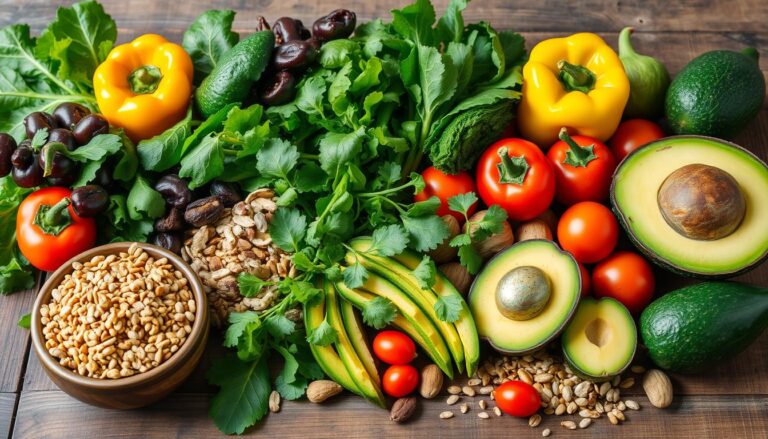
Adopt a Mediterranean-style diet for losing belly fat. It focuses on foods that keep you full and give steady energy.
- Extra-virgin olive oil instead of butter for cooking and dressings
- Nuts and seeds for crunch and staying power
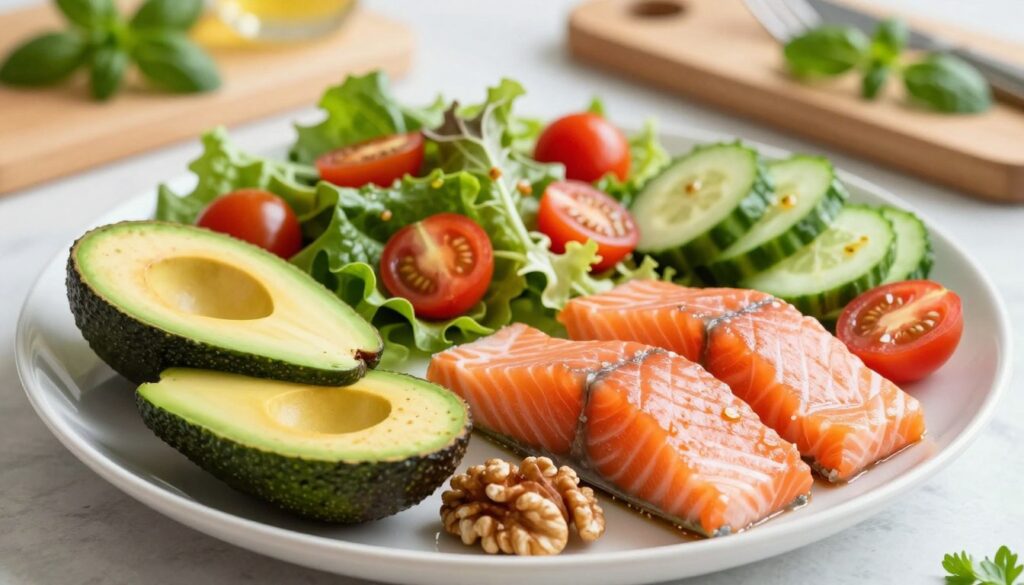
- Avocados for a creamy swap in bowls and salads
- Fish as a regular protein, not a once-a-month option
- Yogurt more often especially as a snack replacement
These foods help control appetite and burn belly fat over time. Pair them with meals you repeat during busy weeks for better results.
The Truth About Sugar and Belly Fat
Sugar is easy to overconsume because it doesn’t fill you up. Cutting sugary drinks is a direct step. Many juices are high in sugar.
Drink water, sparkling water, or other no-sugar drinks most days. For flavor, use citrus slices or unsweetened tea.
Be cautious of trend claims. Apple cider vinegar, for example hasn’t lived up to the hype. Stick to a diet of whole foods for better belly fat loss.
Effective Exercises for Belly Fat Reduction
Getting rid of belly fat needs a routine you can keep up not just one move. The best exercises mix cardio, strength training, and recovery. This keeps your routine consistent.
Adults should aim for 150 minutes of moderate aerobic activity or 75 minutes of vigorous activity weekly. Also, do strength training at least twice a week. Daily step goals and movement breaks help too.
| Training Focus | What You Do | Why It Helps | Easy Starting Point |
|---|---|---|---|
| HIIT sessions | Short bursts of hard effort with planned recovery | Builds conditioning fast and can support waistline changes over time | 20 minutes: jog/run 15 seconds + walk 45 seconds, repeat |
| Full-body strength | Train push, pull, squat hinge, and loaded carries | Supports muscle retention and raises overall training output | Pick 1 move per pattern, aim for 10 controlled reps each |
| Core training | Planks, dead bugs side planks, and carries | Improves bracing, posture, and performance in lifts and cardio | 2–3 rounds of 20–40 seconds per exercise |
High-Intensity Interval Training HIIT for Fat Loss
HIIT is great for losing belly fat because it’s intense but short. Work for 5–30 seconds then rest for 30 seconds to 2 minutes. Repeat for several rounds.
Choose a workout you like: treadmill running incline walking, rowing, cycling, swimming or a group fitness class. Make the hard parts really hard and the easy parts easy. This keeps your intervals sharp.
Strength Training Contributions to Fat Burning
Strength training is key for belly fat loss. It builds the strength you need. Focus on full-body workouts not just one area.
Use a structure that covers five movement patterns: push, pull, squat, hinge deadlift variations and loaded carries. Use dumbbells barbells kettlebells, machines cables or sandbags. Progress slowly and keep your form strict.
The Importance of Core Strengthening Exercises
Core exercises are important, but they don’t spot-reduce fat. Crunches and sit-ups can build muscles, but belly fat loss depends on your overall routine and other techniques.
Use core moves that teach control: planks side planks dead bugs, and carries. When your core is strong, you lift better move better, and get more from your workouts.
Why You Can’t Out Exercise a Bad Diet
Workouts are helpful but they can’t beat the calorie math. If you eat more than you burn you’ll gain weight. This often shows up first in your belly. So many tips for losing belly fat start with what you eat not just how much you exercise.

Read more: Diet Over Exercise The Key to Beating Obesity
Doing endless crunches might feel like you’re working hard, but it might not slim your waist. Ab exercises can make your muscles stronger and improve your posture. Yet they don’t target the fat around your organs. For real belly fat loss focus on your daily habits: eat well, exercise smartly and stick to a routine.
Changing your diet can lead to faster weight loss than adding more workouts. Drinks with sugar are a big calorie trap because they add calories without making you feel full. Also eating too much can undo the calorie deficit you work hard to achieve in the gym.
| Diet Lever | What to Do Today | Why It Helps | Easy Swap |
|---|---|---|---|
| Sugary beverages | Cut soda sweet tea, and flavored coffee drinks most days | Removes liquid calories that don’t curb hunger | Water, unsweetened iced tea, or seltzer with citrus |
| Portion control | Serve meals on smaller plates and pre-portion snacks | Reduces mindless overeating and improves calorie awareness | Single-serve Greek yogurt instead of a large dessert |
| Protein and fiber | Add a protein + high-fiber food to each meal | Supports fullness and steadier blood sugar | Chicken salad with beans or eggs with berries and oats |
| Ultra-processed snacks | Limit chips, pastries, and candy to planned treats | These foods are easy to overeat and hard to stop | Nuts in a measured portion or popcorn with minimal oil |
More exercise isn’t always better. If you work out too much and don’t rest enough stress and hunger can increase. To lose belly fat efficiently balance your workouts with a calm routine. This includes regular meals planned rest days, and fewer extra calories that sneak in after intense workouts.
Sleep and Stress The Hidden Contributors to Belly Fat
If you’re eating right and working out, sleep and stress might be the keys you’re missing. They affect hunger recovery, and daily choices in subtle ways. For those trying to lose belly fat naturally these basics are as important as the gym.
Short sleep means the body looks for quick energy. This can lead to bigger meals more snacks, and less motivation to move. Over time, these habits can stop you from losing belly fat even if you’re trying hard.
How Sleep Affects Weight Loss
Studies show that very short sleep can lead to big weight gain. A report found that sleeping less than five hours can increase the risk of gaining 30 pounds or more.
A CDC survey showed that short sleep is common. In 2014, 35.5% of men slept less than seven hours. Short sleepers were more likely to have a high BMI compared to those who slept enough.
Aiming for 7–8 hours of sleep each night is key. Sleep helps muscles repair and the nervous system reset after workouts. This recovery is crucial for maintaining consistent workouts, which is essential for losing belly fat.
| Sleep Pattern | What Often Shifts | Why It Can Matter for the Waist |
|---|---|---|
| Less than 5 hours | Higher chance of large weight gain over time | More appetite drive, lower recovery, and weaker follow-through |
| Less than 7 hours | More common in adults; higher obesity rates reported in surveys | Harder to manage intake and training consistency across the week |
| 7–8 hours | Better recovery from physical activity and steadier energy | Supports routine, which helps reduce abdominal fat naturally |
Strategies for Stress Management and Fat Loss
Stress isn’t just mental. High stress levels can raise cortisol making belly fat harder to lose. Overtraining can add to this stress especially when sleep is already poor.
Effective stress control is simple and consistent. View weight loss as an endurance challenge not a sprint. This mindset helps protect your willpower and supports losing belly fat without burnout.
- Protect a sleep window by setting a steady wake time and a short wind-down routine.
- Choose active leisure like an after-dinner walk easy cycling, or yard work instead of collapsing for hours.
- Train with restraint by mixing hard days with lighter sessions to avoid constant fatigue.
- Use quick downshifts such as slow breathing a brief stretch break, or journaling before late night snacking hits.
Guarding sleep and managing stress makes food choices easier and workouts more manageable. This advice is key for losing belly fat naturally without extreme measures.
Incorporating Healthy Fats into Your Diet
Dietary fat can help you feel full and keep your energy steady. It also makes meals taste better. Swapping refined carbs and snacks for better fats supports a healthy diet for losing belly fat without feeling deprived.
These choices also fit with proven methods for reducing belly fat because they improve overall diet quality. The type of fat matters as much as the amount.
Read more: 5 Simple Yoga Poses to Lose Belly Fat!
Distinguishing Healthy Fats from Unhealthy Ones
Saturated fat is the one to watch. It’s common in higher-fat cuts of meat and full-fat dairy like cheese and butter. Processed meats can also raise cardiometabolic risk so keeping them limited is one of the more practical effective belly fat removal tips.
In contrast unsaturated fats tend to support better heart markers when they replace saturated fat. This replacement effect matters more than trying to cut all fat and then rebounding on sugary foods.
- Limit more often: bacon sausage butter-heavy dishes, large portions of cheese
- Use more often: olive oil nuts seeds avocado, fatty fish, plain yogurt
| Fat source | Main type | Where you’ll see it | Best use in a day | What it can replace |
|---|---|---|---|---|
| Extra-virgin olive oil | Monounsaturated MUFA | Salad dressing, sauté base | 1–2 tablespoons across meals | Butter or creamy bottled dressings |
| Avocado | MUFA + fiber | Toast, bowls, tacos | 1/4–1/2 avocado | Chips, sour cream, oversized cheese portions |
| Almonds or walnuts | Mostly unsaturated MUFA/PUFA | Snack, oatmeal, salads | 1 small handful | Cookies, candy, fried snacks |
| Salmon or sardines | Polyunsaturated PUFA, omega-3 | Lunch or dinner protein | 2 servings per week | Processed meats or breaded fried fish |
| Plain yogurt | Mixed fats + protein | Breakfast, sauces, dips | 3/4–1 cup | Sugary yogurt desserts or ice cream nights |
Monounsaturated Fats and Polyunsaturated Fats What You Need to Know
Monounsaturated fats MUFA are found in olive oil, avocado many nuts, and seeds. A Mediterranean-style diet rich in MUFA can help reduce belly fat when it replaces sugary and refined options.
Polyunsaturated fats PUFA include omega-3s found in fish. They support heart health and make meals more satisfying. This helps you stay consistent with proven methods for reducing belly fat over time.
For a healthy diet for losing belly fat keep portions realistic. Build meals around protein produce and fiber. Then add a moderate amount of MUFA or PUFA for flavor and staying power. These tips work in everyday kitchens.
Understanding and Managing Cravings
Cravings often happen when we’re stressed, tired, or have easy access to snacks. Many ads promise quick fixes but real change takes time. Good tips for losing belly fat focus on making small, consistent changes.
Start by improving one habit each week. This makes it easier to avoid unhealthy food choices. A steady routine helps you lose belly fat without feeling like you’re constantly fighting food.
Psychological Aspects of Cravings
Cravings are more than just hunger. They can be linked to mood memories or certain places. Recognizing your triggers helps you make better choices.
Your surroundings play a big role too. Sitting for too long can lead to eating out of boredom. Taking short breaks to move can help reduce cravings and stress.
Healthy Alternatives to Satisfy Sweet Tooth and Salty Cravings
For sugar cravings cutting sugary drinks is a big step. Switching to water can make a big difference. This is a simple way to cut calories without feeling hungry.
When you crave dessert, think of it as an accent, not a full meal. Try apple slices melon or berries. Fruit is good, but don’t forget to include veggies for a balanced diet.
| Craving Moment | Common Trigger | Better Swap | Why It Helps |
|---|---|---|---|
| Afternoon sugar slump | Low sleep, long screen time | Water first then fresh berries | Hydration and fiber support steadier energy and fewer spikes |
| “Something sweet” after dinner | Habit loop and stress release | Apple or melon as a small dessert accent | Creates a clear endpoint without feeling deprived |
| Salty snack urges at the desk | Prolonged sitting, boredom | Walk break, then a portioned snack if still hungry | Interrupts autopilot eating and supports daily energy balance |
| Drive-thru temptation | Time pressure and marketing cues | Plan a simple default meal and keep water on hand | Reduces impulse choices and supports effective belly fat removal tips |
Conclusion
If you want to get rid of belly fat focus on the basics, not quick fixes. Rush University Medical Center says there’s no FDA-approved drug for belly fat. And, supplements that promise quick results aren’t always safe or effective.
The best way to lose belly fat is to eat fewer calories but still eat well. Mayo Clinic suggests eating more plants, lean proteins, and healthy fats. Also, cut down on sugary drinks and eat smaller portions.
For exercise, mix cardio with strength training and HIIT if you can. Core exercises improve posture and function, but won’t burn belly fat. Texas Health Fitness recommends moving more throughout the day not just during workouts.
To keep losing weight, get enough sleep and manage stress. Cortisol can make you hungry and crave unhealthy foods. Mayo Clinic advises for slow steady weight loss. If you have health concerns, talk to a doctor and consider a fitness trainer for a safe plan.