In this article we’ll discuss the importance of vitamins for your health. Have you ever wondered why are so important and necessary?
This article provides a guide to all the vitamins your body needs. For example we’ll cover fat-soluble vitamins like vitamin A and vitamin D, as well as water-soluble vitamins like the B complex vitamins and vitamin C. Continue reading this article to learn how these nutrients contribute to cell growth and maintain your health.
Key Takeaways
- Understanding the essential vitamins your body needs is critical for maintaining health.
- There are 13 essential types of vitamins, each playing unique roles.
- Fat-soluble vitamins A, D, E, K can be stored in the body.
- Water-soluble vitamins C and B-complex must be regularly replenished.
- This guide will provide in-depth explanations of the functions and sources for each essential vitamin.
Introduction to Essential Vitamins
Vitamins are organic compounds our bodies need to work right. They help with energy, immune support, and keeping us healthy. Knowing about essential nutrients breakdown shows how they help our health.
What Are Vitamins?
Vitamins are tiny nutrients our bodies can’t make enough of. We get them from food or supplements. Each vitamin does a special job to keep us healthy and prevent diseases.
Why Are They Important?
Vitamins are key for staying healthy, not just surviving. They help fight off infections, heal, and keep our bodies strong. Without enough, we can get sick or have serious problems. So, eating foods rich in vitamins is crucial for our health.
| Vitamin | Function | Sources |
|---|---|---|
| Vitamin A | Vision, immune function, reproduction | Carrots, sweet potatoes, spinach |
| Vitamin D | Bone health, immune support | Sunlight, fortified milk, fish |
| Vitamin E | Antioxidant, skin health | Nuts, seeds, green leafy vegetables |
| Vitamin K | Blood coagulation, bone health | Green leafy vegetables, soybeans |
Fat-Soluble Vitamins
Fat-soluble vitamins are key nutrients that our bodies absorb with fats. They are stored in the liver and fatty tissues. These vitamins are A, D, E, and K. They are vital for our health.
What Makes Vitamins Fat-Soluble?
These vitamins dissolve in fats and oils, unlike water-soluble vitamins. This lets them stay in our bodies longer. They are absorbed with dietary fat and are key in a nutritional supplements guide.
Health Implications of Fat-Soluble Vitamins
The health benefits of fat-soluble vitamins are huge. Here’s a quick nutritional supplements guide on their main roles:
| Vitamin | Key Functions |
|---|---|
| Vitamin A | Essential for vision, immune function, and skin health. |
| Vitamin D | Important for bone health and immune system support. |
| Vitamin E | Acts as an antioxidant, protecting cells from damage. |
| Vitamin K | Critical for blood coagulation and bone metabolism. |
Knowing the vitamin benefits helps us see why they’re important. Eating foods rich in these vitamins or taking supplements boosts our health.
Vitamin A: An Essential Guide
Vitamin A is key for good health. It helps with vision, immune function, and organ health. Getting enough Vitamin A is vital for your body’s well-being.
Roles and Benefits of Vitamin A
Vitamin A is crucial for many body functions. It improves vision in the dark, supports bone growth, and keeps skin healthy. It also boosts reproductive health, making it essential for everyone.
Sources of Vitamin A
You can find Vitamin A in both plants and animals. Dairy products like milk and cheese are full of it. Dark leafy greens and colorful veggies like carrots are also great sources. Eating these foods helps you get enough Vitamin A.

Vitamin A Deficiency Symptoms
Not getting enough Vitamin A can cause problems. You might have trouble seeing at night and get sick more easily. Pregnant women need it for their baby’s growth. A lack of Vitamin A can also cause dry skin and more respiratory infections.
Vitamin D: The Sunshine Vitamin
Vitamin D is called the sunshine vitamin because it’s made when our skin is exposed to sunlight. It helps our body absorb calcium, which is key for strong bones. Without enough vitamin D, we might have brittle bones, get sick often, and feel very tired.
To keep our bodies healthy, we need to get enough vitamin D. We can get it from sunlight and some foods. But, it’s hard to get enough from food alone.
Vitamin D is very important, and not having enough can cause problems. Here are some key points to remember:
| Nutrient Source | Vitamin D Content | Additional Benefits |
|---|---|---|
| Sunlight | 10,000 IU per 30 minutes of full-body exposure | Enhances mood, regulates circadian rhythm |
| Fatty Fish (e.g. salmon) | 447 IU per 3 ounces | Rich in omega-3 fatty acids |
| Fortified Milk | 120 IU per 8 ounces | Source of calcium and protein |
By using these sources every day, we can help our bodies get enough vitamin D. This is part of a healthy lifestyle that keeps us well.
Vitamin E: A Powerful Antioxidant
Vitamin E is a strong antioxidant that fights oxidative stress in the body. It also helps keep red blood cells and the immune system healthy. Knowing how it works helps us use it to our advantage.
Functions of Vitamin E
Vitamin E plays many important roles. It’s a top vitamin source that protects cells from free radicals. It also boosts the immune system. Plus, it helps with cell communication, gene control, and fights inflammation.
Sources of Vitamin E
To get enough vitamin E, eat foods rich in it. Here are some of the best sources:
- Nuts such as almonds and hazelnuts
- Seeds like sunflower seeds
- Vegetable Oils including sunflower, safflower, and olive oils
- Green Leafy Vegetables, such as spinach and broccoli
Understanding vitamin E’s role in health is key. Eating these foods helps you get the right amount for your body’s needs.
Vitamin K: Essential for Blood Coagulation
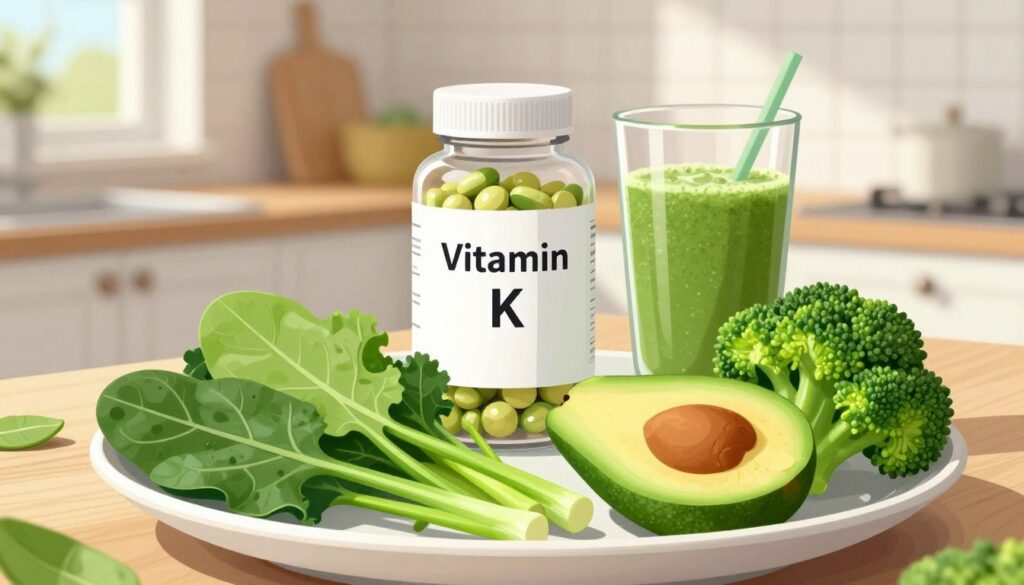
Vitamin K is key for blood to clot and for strong bones. It’s important to know how this vitamin works and to eat foods rich in it. This vitamin sources guide will tell you about Vitamin K’s benefits and where to find it in food.
Health Benefits of Vitamin K
Vitamin K helps blood to clot properly, stopping bleeding. It also keeps bones strong by controlling calcium levels. Eating enough Vitamin K can boost your health and well-being.
Best Food Sources for Vitamin K
Read more: The Power of Vitamin Supplements
| Food Source | Vitamin K Content mcg per 100g |
|---|---|
| Kale | 817 |
| Spinach | 482 |
| Broccoli | 101 |
| Brussels Sprouts | 177 |
| Fermented Dairy Products | 20-65 |
Eating these foods regularly can help you meet your Vitamin K needs. Use this vitamin sources guide to add Vitamin K-rich foods to your diet. This will help with blood clotting and bone health.
Water-Soluble Vitamins
Water-soluble vitamins are key to our health. They dissolve in water, making it easy for our bodies to use and get rid of them. This group includes vitamins C and all B vitamins. They help with energy and making red blood cells.
Characteristics of Water-Soluble Vitamins
These vitamins need to dissolve in water to be absorbed. Any extra is thrown out in our urine. So, we must eat them often to avoid not having enough.
Why Water-Soluble Vitamins Are Crucial
These vitamins are vital for our health. They help make energy, create red blood cells, and keep our nerves working well. Because they dissolve in water, we need to eat them regularly.
| Water-Soluble Vitamins | Functions | Sources |
|---|---|---|
| Vitamin C | Antioxidant, immune function | Citrus fruits, strawberries, bell peppers |
| Thiamine B1 | Energy production, glucose metabolism | Whole grains, pork, nuts |
| Riboflavin B2 | Energy production, cellular function | Dairy products, eggs, green leafy vegetables |
| Niacin B3 | DNA repair, energy production | Turkey, chicken, peanuts |
| Pyridoxine B6 | Protein metabolism, neurotransmitter synthesis | Fish, bananas, chickpeas |
| Folate B9 | DNA synthesis, cell division | Leafy greens, legumes, seeds |
| Cobalamin B12 | Red blood cell formation, neurological function | Meat, fish, dairy |
B Vitamins Complex Overview
The B vitamins are essential for our health. They help turn food into energy and support our brain. Knowing about B vitamins and where to find them is key for a healthy diet.
The Importance of B Vitamins
B vitamins are vital for our body’s functions. They help with metabolism, brain work, and DNA production. Without enough B vitamins, we can get sick with anemia, pellagra, and nerve problems.
Sources of B Vitamins
To get all B vitamins, eat a variety of foods. Here are some great sources:
- Whole Grains: Brown rice, oats, barley
- Meats: Chicken, beef, fish
- Legumes: Lentils, beans, chickpeas
- Dairy: Milk, cheese, yogurt
- Leafy Greens: Spinach, kale, broccoli
These foods help us meet our daily B vitamin needs. For more details, see the table below:
| B Vitamin | Dietary Sources |
|---|---|
| Vitamin B1 Thiamine | Whole grains, pork, fish |
| Vitamin B2 Riboflavin | Dairy, eggs, lean meats |
| Vitamin B3 Niacin | Poultry, nuts, seeds |
| Vitamin B6 Pyridoxine | Chickpeas, bananas, potatoes |
| Vitamin B12 Cobalamin | Fish, meat, dairy |
Vitamin C: Boosting Your Immune System
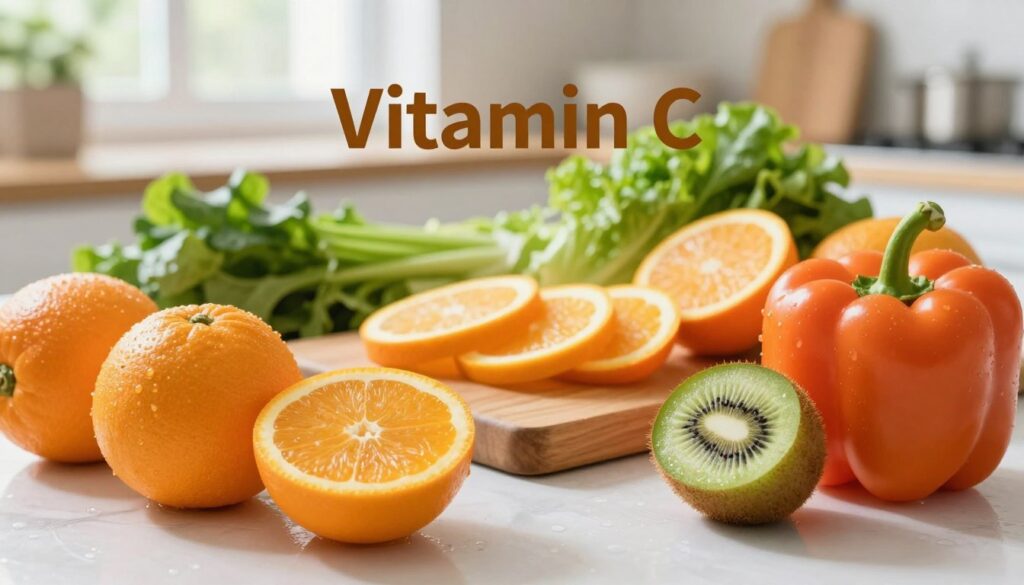
Vitamin C is crucial for our health. It boosts our immune system and keeps our skin healthy. It also helps wounds heal. As an antioxidant, it fights off harmful free radicals and helps our body absorb iron.
Read more: What is the vitamin C content in kiwi?
Functions and Benefits of Vitamin C
Vitamin C is key for a strong immune system. It helps make collagen, which keeps our skin elastic and heals wounds. It also helps our body use iron from plants, preventing anemia. Plus, it fights off cell damage and reduces inflammation, keeping us well.
Vitamin C Rich Foods
To get enough Vitamin C, eat a variety of foods. Oranges, lemons, and grapefruit are great sources. Strawberries, kiwi, and papaya are also good. So are bell peppers, broccoli, and Brussels sprouts.
These foods meet our Vitamin C needs and add to a healthy diet.
Choline and Carnitine: Vitamin-Like Nutrients
Choline and carnitine are not traditional vitamins but are very important for our health. They play key roles that can help you understand the best ways to get vitamins. Knowing about them can make your essential vitamins guide even better.
Roles of Choline and Carnitine in the Body
Choline is crucial for brain function, liver health, and fat metabolism. It helps make cell membranes and supports the brain. Carnitine, on the other hand, helps turn fat into energy. This is important for metabolism and muscle movement.
Food Sources of Choline and Carnitine
Eating foods rich in choline and carnitine can greatly benefit your health. These nutrients are often found in animal products. Here’s a table showing some of the best foods for choline and carnitine:
| Food Source | Choline Content mg per 100g | Carnitine Content mg per 100g |
|---|---|---|
| Beef Liver | 418 | 63-141 |
| Eggs | 294 | 0.4 |
| Fish Cod | 65 | 5.6 |
| Chicken Breast | 78.5 | 3-4 |
| Milk | 14 | 2 |
Eating these foods can help you get enough choline and carnitine. This is key for good health, as any good essential vitamins guide will tell you. These foods are some of the best ways to get these nutrients every day.
Every Vitamin Your Body Needs Explained
Exploring the world of vitamins is key to staying healthy. Each vitamin helps in different ways, from boosting immunity to strengthening bones. This complete vitamin breakdown aims to give you a full picture. It helps you make smart choices about your diet and nutritional supplements guide.
We’ll look at the roles, benefits, and food sources of essential vitamins. Understanding these helps you tackle any deficiencies. You’ll learn how to get the right amount from food and supplements. Here’s a table with important information:
| Vitamin | Role | Sources | Daily Recommendation |
|---|---|---|---|
| Vitamin A | Vision, immune function, and skin health | Carrots, sweet potatoes, spinach | 900 mcg men, 700 mcg women |
| Vitamin B12 | Red blood cell formation, neurological function | Meat, dairy, eggs | 2.4 mcg |
| Vitamin C | Antioxidant, tissue repair, and immune support | Citrus fruits, bell peppers, strawberries | 90 mg men, 75 mg women |
| Vitamin D | Bone health, calcium absorption | Sunlight, fortified milk, fatty fish | 600 IU |
| Vitamin E | Antioxidant, skin health | Nuts, seeds, green leafy vegetables | 15 mg |
| Vitamin K | Blood clotting, bone health | Broccoli, Brussels sprouts, kale | 120 mcg men, 90 mcg women |
Using this nutritional supplements guide and knowing how each vitamin helps, you can improve your diet. Make choices that help you get the most from these essential nutrients.
Conclusion
Exploring the essential vitamins your body needs shows how vital each one is for health. Vitamins A, D, E, and K are fat-soluble. The B-complex and Vitamin C are water-soluble. Each vitamin has its own role in your body.
It’s important to eat a balanced diet with a variety of foods. This way, you get all the vitamins your body needs. A diet rich in fruits, vegetables, grains, and proteins is best.
This guide has explained every vitamin your body needs in simple terms. It’s a great resource for learning about nutrition. By eating well or using supplements, you can live a healthier life. Stay informed and keep working towards your wellness goals.