Do you think that building muscle after the age of fifty is impossible or that there is a secret we do not know to maintain strength and activity as we age?
Contray to what we think do not worry it is not too late to follow a diet to strengthen your muscles and see a noticeable improvement in muscle mass and general health.
As muscle mass typically declines with age, incorporating specific nutrient dense foods into your diet can make a world of difference. Let’s explore how the best foods for muscle growth can help you achieve your fitness goals even in your golden years.
Key Takeaways
- The importance of maintaining muscle mass increases as you age.
- A muscle strengthening diet can significantly impact muscle growth and overall health.
- Targeted dietary choices can help counteract the natural decline in muscle mass after 50.
- Incorporating the right foods is crucial for achieving muscle growth and maintenance.
- Stay tuned for a deep dive into the ten most powerful muscle-building foods for those over 50.
Introduction to Muscle Building After 50
As we age, our bodies naturally undergo changes that can impact muscle mass and strength. However muscle building after age 50 is not only possible but highly beneficial. It requires a dedicated approach that combines targeted exercise with a strategic muscle building diet for seniors.
From the age of 50, muscle mass can decline by about 1-2% per year a phenomenon known as sarcopenia. Yet adopting the right muscle building diet for seniors and incorporating resistance training can drastically slow down or even reverse this process. Consuming specific nutrient dense foods is essential to this strategy offering vital support for muscle repair and growth.
Proper nutrition plays a pivotal role in muscle building after age 50. Integrating key foods into your diet ensures that your body receives the necessary proteins vitamins, and minerals to support muscle maintenance and growth. This proactive approach can lead to improved muscle tone, increased strength, and a higher quality of life.
The Importance of Nutrition for Muscle Growth
As we age, maintaining muscle mass becomes increasingly important for overall health and functionality. For those over 50 incorporating the right muscle building nutrients into your diet is crucial. Understanding which foods for muscle health can aid in muscle synthesis repair, and maintaining your musculoskeletal system is vital.
Macronutrients for Muscle Growth
Macronutrients such as proteins fats, and carbohydrates play a significant role in muscle growth. Proteins provide the building blocks fats support hormone production, and carbohydrates fuel workouts and recovery:
- Proteins: Essential for muscle repair and growth. Incorporate lean meats fish, and plant-based proteins like beans and legumes.
- Fats: Healthy fats from foods like avocados and nuts help with hormone production necessary for muscle growth.
- Carbohydrates: They replenish glycogen stores providing energy for muscle activities. Opt for whole grains like quinoa and brown rice.
Micronutrients for Muscle Health
Micronutrients although required in smaller amounts are crucial for supporting muscle health. These include vitamins and minerals that assist in muscle function contraction, and overall recovery:
- Vitamin D: Supports muscle function. Get it from fortified dairy products or responsible sun exposure.
- Calcium: Vital for muscle contractions and bone health. Found in dairy products like Greek yogurt and cottage cheese.
- Magnesium: Helps with muscle relaxation and recovery. Green leafy vegetables and nuts are excellent sources.
Maintaining a balanced intake of both macronutrients and micronutrients is essential for optimal muscle growth and overall health. By incorporating a variety of nutrient dense foods for muscle health you can effectively support muscle maintenance and growth well into your 50s and beyond.
Lean Meat: The Muscle Building Staple
Including lean meat in your diet is crucial for those looking to enhance muscle growth, especially after the age of 50. These protein rich foods for muscle development offer a variety of benefits that go beyond just increasing muscle mass.
Lean meats provide high quality protein and essential amino acids necessary for muscle repair and synthesis.

Benefits of Chicken for Muscle Growth
Chicken is a top pick when it comes to protein-rich foods for muscle. It is an excellent source of lean protein, providing about 31 grams of protein in a 100-gram serving.
Chicken also contains important nutrients like niacin and vitamin B6 which aid in energy metabolism and muscle health. To maximize the benefits of chicken consider grilling or baking it avoiding high fat cooking methods like frying.
Adding Turkey to Your Muscle Building Diet
Like chicken turkey is also a prime example of lean meat for muscle growth. A 100-gram serving of turkey breast offers approximately 29 grams of protein along with significant levels of selenium which plays a key role in muscle metabolism.
Including turkey in your muscle building diet can be as simple as incorporating it into salads, sandwiches or as a lean protein packed anchor for your dinner plate.
Fish: Omega-3s and Protein Powerhouse
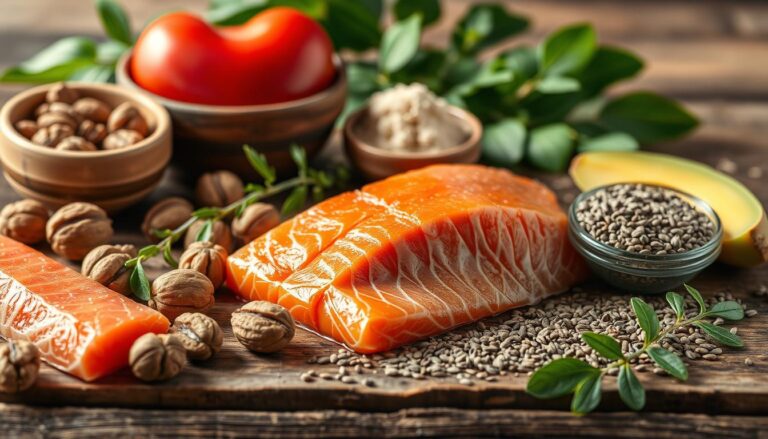
Fish is a cornerstone in foods to build muscle in your 50s, offering a rich combination of high-quality protein and omega-3 fatty acids for muscle health. Incorporating fish into your diet can significantly aid muscle growth while also delivering additional health benefits.
Essentially, these omega-3 fatty acids reduce inflammation which is crucial for muscle recovery and growth. Among the top choices of fish to consider are:
- Salmon
- Mackerel
- Tuna
Salmon is an excellent choice due to its significant omega-3 fatty acids content and high-quality protein. Mackerel another oily fish, supplies not only omega-3 fatty acids for muscle but also essential vitamins and minerals required for overall health.
Tuna is particularly revered for its convenience and high protein content making it an easy addition to any muscle building diet.
Moreover, the benefits of fish extend beyond muscle growth. Regular fish consumption supports heart health by reducing cholesterol levels and decreasing the risk of heart disease. Additionally, fish offers cognitive benefits contributing to better brain function and mental clarity.
In summary, adding fish to your meals is an effective strategy when choosing foods to build muscle in your 50s. Exploring different types of fish and preparing them in various ways can help diversify your diet while ensuring you reap all the muscle-boosting and health benefits.
Eggs: The Perfect Protein Source
As we age, maintaining muscle mass becomes increasingly important, and incorporating the right muscle-building foods into our diet can make a significant difference. Eggs for muscle development are an outstanding choice thanks to their complete amino acid profile. This makes them a nearly perfect source of protein essential for muscle repair and growth.
One of the most compelling reasons to include eggs in a muscle-building diet is their high quality protein content.
Each egg provides about 6 grams of protein along with vital vitamins and minerals, such as vitamin B12 vitamin D, and selenium. These nutrients play crucial roles in muscle function, immune health, and energy metabolism, which are vital for overall well being, especially for those over 50.
Furthermore eggs are incredibly versatile and easy to prepare, making them a convenient option for anyone looking to boost their protein intake. Whether boiled scrambled, or poached eggs can be effortlessly incorporated into various meals throughout the day. Regular consumption of eggs can help seniors meet their daily protein requirements, essential for maintaining muscle mass and strength.
Here’s a closer look at the nutritional highlights of eggs:
| Nutrient | Amount per Egg 50g | Benefit |
|---|---|---|
| Protein | 6g | Muscle repair and growth |
| Vitamin B12 | 0.6mcg | Energy metabolism and red blood cell formation |
| Vitamin D | 1.1mcg | Bone health and muscle function |
| Selenium | 15.4mcg | Antioxidant protection |
Integrating eggs into a daily meal plan is an effective strategy to enhance muscle building efforts, alongside other nutritious foods. In combination with other muscle building foods eggs provide a balanced approach to optimal health and muscle maintenance.
Dairy Products for Muscle Health
Incorporating dairy products into your diet can be pivotal for muscle health particularly as you age. Among the best foods for muscle growth Greek yogurt and cottage cheese stand out due to their high protein content probiotics, and essential nutrients. Their benefits extend beyond muscle strengthening to support overall bone health.
Benefits of Greek Yogurt
Greek yogurt is renowned for its high-quality protein content, which is essential for muscle repair and growth. It also contains probiotics that promote gut health which can indirectly support muscle function by improving nutrient absorption. A single serving of Greek yogurt can provide up to 15-20 grams of protein making it one of the best foods for muscle growth.
Additionally Greek yogurt is rich in calcium, which is crucial for bone health. This is particularly significant for seniors looking to maintain both muscle and skeletal strength.

Read more: Yogurt’s hidden power 7 health benefits
Enjoy Greek yogurt on its own or incorporate it into smoothies, parfaits, or as a topping for fruits and granola.
Cottage Cheese for Muscle Growth
Cottage cheese is another excellent dairy product for muscle health. It is packed with casein protein a slow-digesting protein that provides a sustained release of amino acids. This makes it particularly beneficial to consume before bedtime to support muscle repair and growth overnight.
Besides protein, cottage cheese is rich in B vitamins calcium, and phosphorus, all of which are vital for muscle and bone health. These nutrients contribute to energy production muscle function, and maintaining strong bones.
Creative ways to include cottage cheese in your diet include mixing it with fruits, adding it to salads, or using it as a base for savory dips.
| Food | Protein Content | Additional Benefits |
|---|---|---|
| Greek Yogurt | 15-20 grams per serving | Probiotics, Calcium |
| Cottage Cheese | 11-13 grams per serving | B Vitamins, Slow-digesting Casein Protein |
In conclusion, incorporating dairy for muscle health especially Greek yogurt and cottage cheese into your daily diet can significantly contribute to maintaining and building muscle mass as you age.
As some of the best foods for muscle growth these dairy products are not only beneficial for muscles but also offer comprehensive health benefits due to their rich nutrient profiles.
Nuts and Seeds Plant Based Protein Sources
For optimal muscle growth, incorporating nuts and seeds as versatile plant-based protein sources can be remarkably beneficial.
These nutrient-dense foods not only pack a punch of protein but also provide healthy fats, fiber, and essential minerals that support overall muscle health and energy levels. Including nuts and seeds in your daily diet is a great strategy to enhance muscle building, especially after 50.
Almonds for Muscle Building
Almonds are a powerhouse in the realm of muscle building. As a rich source of protein healthy fats and magnesium they support muscle recovery and enhance energy production.
Just a handful of almonds can deliver a significant protein boost. Additionally the presence of vitamin E in almonds is crucial for muscle repair and protection against oxidative stress.
Chia Seeds for Muscle Health
Chia seeds, another excellent plant-based protein source, are loaded with omega-3 fatty acids fiber, and antioxidants. These tiny seeds boast a high protein content and have the unique ability to absorb liquid forming a gel that can aid in hydration critical for muscle function. Including chia seeds in your diet can improve endurance and support muscle health.
| Food | Protein Content in grams | Key Nutrients |
|---|---|---|
| Almonds | 6g per ounce | Vitamin E Magnesium |
| Chia Seeds | 4g per ounce | Omega-3 Fiber |
Beans and Legumes Fiber and Protein Combo
When it comes to muscle building, beans and legumes emerge as nutritional powerhouses. Rich in both fiber and protein for muscle they provide not only the essential nutrients needed for tissue repair and growth but also aid in maintaining digestive health. Let’s delve into two particularly beneficial members of this food category: black beans and lentils.
Black Beans for Muscle Health
Black beans stand out for their impressive nutritional profile. They offer an excellent balance of fiber and protein for muscle development making them a perfect addition to muscle maintenance diets.
Incorporating black beans into daily meals can help manage hunger by keeping you full longer thus assisting in maintaining optimal body weight. These beans are versatile and can be added to everything from salads to soups.
Lentils for Muscle Development
Lentils are another fantastic option when considering beans and legumes for muscle building.
Packed with essential nutrients lentils not only support muscle growth but also contribute significantly to overall health. They are an excellent source of both fiber and protein for muscle facilitating better digestion and sustained energy levels.
Lentils can be easily incorporated into various dishes such as stews curries, and even as a meat substitute in some recipes.
Quinoa: The Complete Plant Protein
Quinoa has earned its reputation as a nutritional powerhouse, particularly for those over 50 aiming to boost muscle growth.
Known for being a complete plant protein quinoa contains all nine essential amino acids necessary for muscle repair and development. This makes it an invaluable addition to the diet of seniors looking to maintain or increase muscle mass.
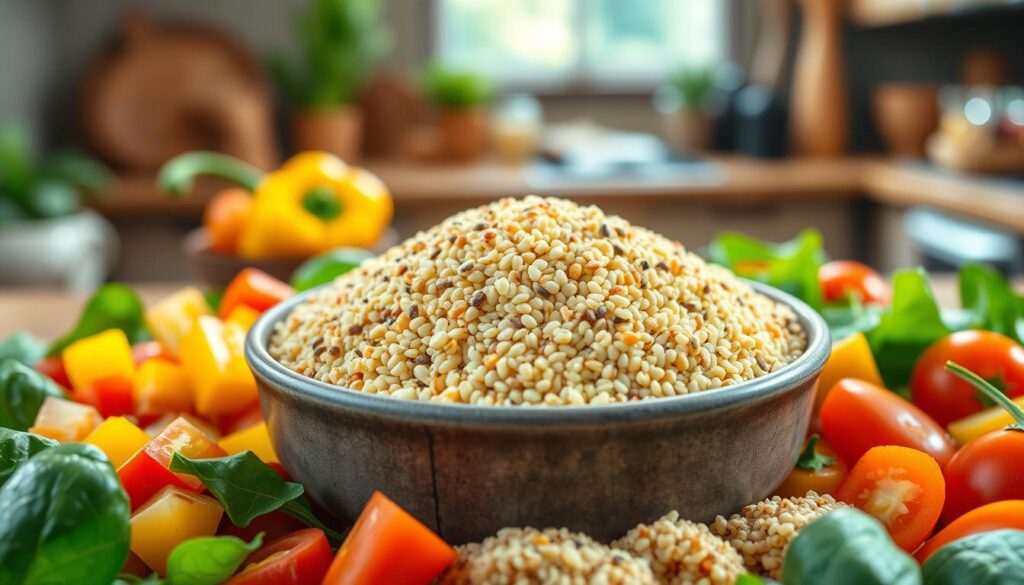
One of the key benefits of quinoa for muscle growth is its rich mineral content. It is a notable source of magnesium iron, and calcium which are essential for muscle function and bone health. Additionally quinoa is easy to digest, reducing any gastrointestinal discomfort that can sometimes accompany other protein sources.
Integrating quinoa into a muscle building meal plan is straightforward. Here are a few tips on how to include this versatile grain in your diet:
- Breakfast: Add cooked quinoa to your morning oatmeal for an extra protein boost.
- Lunch: Toss quinoa into salads with leafy greens beans, and lean meats for a balanced meal.
- Dinner: Use quinoa as a base for stir fries combining it with vegetables and a source of lean protein like chicken or fish.
To encapsulate the advantages of quinoa for muscle growth further consider the following comparison:
| Nutrient | Quinoa per 100g cooked | Other Grains average per 100g cooked |
|---|---|---|
| Protein | 4.1g | 2.5g |
| Magnesium | 64mg | 22mg |
| Iron | 1.5mg | 0.9mg |
| Calcium | 17mg | 7mg |
Quinoa’s superior nutritional profile shows why it stands out as a complete plant protein. It addresses crucial dietary needs for muscle growth especially for those over 50, making it a wise and nutritious choice.
Avocado Healthy Fats for Muscle Maintenance
Avocado is an exceptional addition to any muscle strengthening diet. This fruit is rich in monounsaturated fats which are crucial healthy fats for muscle. These fats support hormone function, promoting muscle growth and maintenance.
One avocado contains an impressive nutrient profile, with vitamins C, E, K, and B-6 along with riboflavin niacin folate, pantothenic acid magnesium, and potassium. These nutrients are vital for muscle health aiding in recovery and providing the energy necessary for sustained muscle activity.
Incorporating avocado in muscle strengthening diet is straightforward. You can add sliced avocado to salads, blend it into smoothies, or spread mashed avocado on toast. Using avocado oil for cooking is another excellent way to boost your intake of healthy fats for muscle.
For those engaged in regular physical activity, avocados offer a delicious and nutrient-dense option to support overall muscle maintenance and growth. Including avocado in your daily nutrition plan ensures you’re getting both the healthy fats for muscle and essential vitamins needed for optimal muscle function.
10 foods that build muscle even after 50
Maintaining muscle strength and mass is essential as we age, and incorporating the top foods for muscle development into your diet can make a substantial difference. Below we summarize the essential elements for a muscle growth diet, featuring ten power-packed foods that are particularly beneficial for individuals over 50.
- Lean Meat: Chicken and turkey are top foods for muscle development providing high-quality proteins essential for muscle repair and growth.
- Fish: Rich in Omega-3 fatty acids and protein fish such as salmon and tuna are perfect additions to a muscle-growth diet.
- Eggs: Known as the perfect protein source eggs are packed with essential amino acids crucial for muscle building.
- Dairy Products: Greek yogurt and cottage cheese provide a combination of protein and calcium, promoting muscle repair and maintenance.
- Nuts and Seeds: Almonds and chia seeds are excellent plant based protein sources contributing to muscle health and development.
- Beans and Legumes: Black beans and lentils offer a fiber and protein combo ideal for muscle growth and overall health.
- Quinoa: A complete plant protein quinoa supports muscle building and is a versatile addition to any meal.
- Avocado: Providing healthy fats, avocados are essential for muscle maintenance and overall health.
- Broccoli: This vegetable is not only a great source of vitamins and minerals but also supports muscle health and recovery.
- Sweet Potatoes: Rich in carbohydrates and vitamins sweet potatoes provide the energy needed for muscle-building workouts.
By including these top foods for muscle development in your diet, you can support muscle growth and maintenance even after 50. Focus on a balanced nutrient-rich diet to achieve the best results in your muscle growth diet.
Conclusion
As we’ve explored throughout this article, diet plays a pivotal role in building and maintaining muscle mass especially after the age of 50. Starting with lean meats like chicken and turkey to omega-3 rich fish incorporating diverse protein sources is crucial.
Eggs and dairy products such as Greek yogurt and cottage cheese provide essential nutrients that support muscle health.
Nuts, seeds, beans, and legumes offer excellent plant-based protein alternatives. Almonds chia seeds black beans and lentils not only boost protein intake but also bring benefits like fiber and healthy fats. Foods like quinoa and avocado round out the list offering complete proteins and necessary fats for muscle maintenance.
By including these foods in their daily meals, seniors can construct muscle building meals for seniors and promote muscle strength and overall health.
Empower yourself with this knowledge and understand that with proper nutrition building muscle after 50 is not only possible but highly beneficial. Prioritizing these foods for muscle building after 50 will enable you to take control of your physical wellness and lead a healthier more active life.